Tagoro is a home for everything that lives, promoting a lifestyle that enhances well-being, strengthens communities, and embraces sustainable practices to create a happier, healthier, and greener post-growth world.
This project was a collaborative effort by Amy Gupta, Gianna González Watterston, Gloria Rufino Villacis, and Mollie Holyoake.
This project challenged us to explore a future beyond fossil fuels using the Post-Growth Toolkit to rethink systems through sustainability and community-driven solutions. The outcome included a reimagined concept for wood/forests and a visual identity that reflects its values and impact.
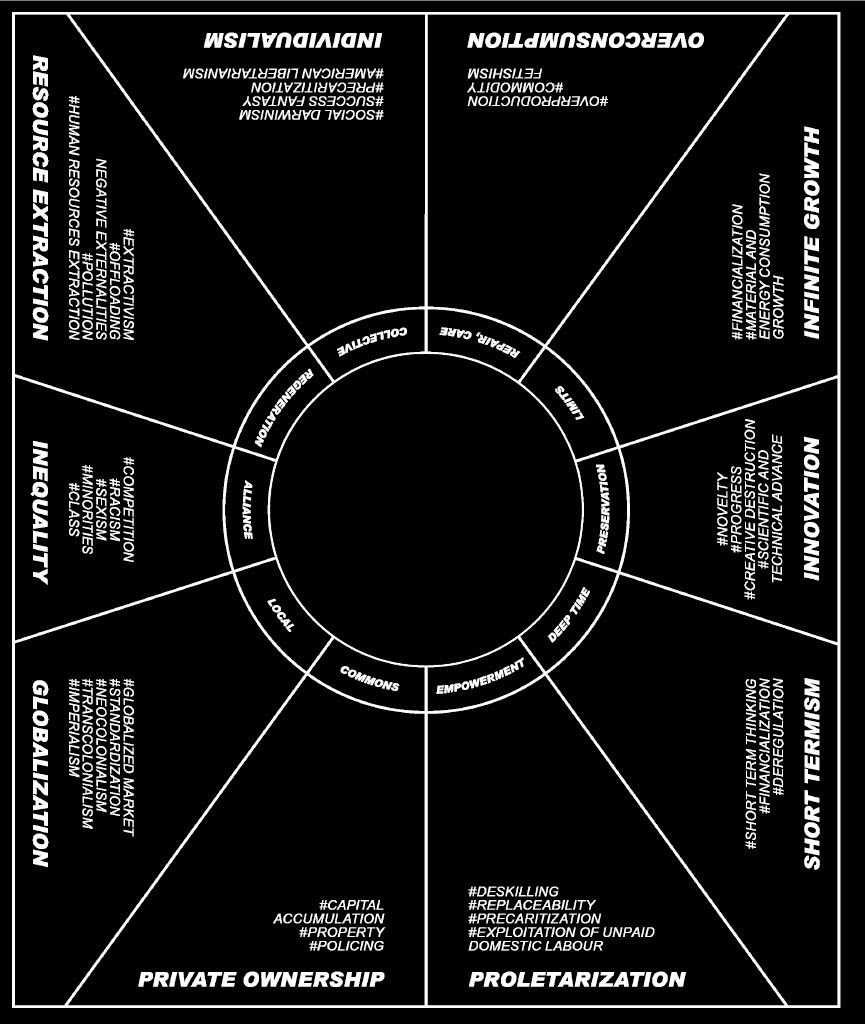
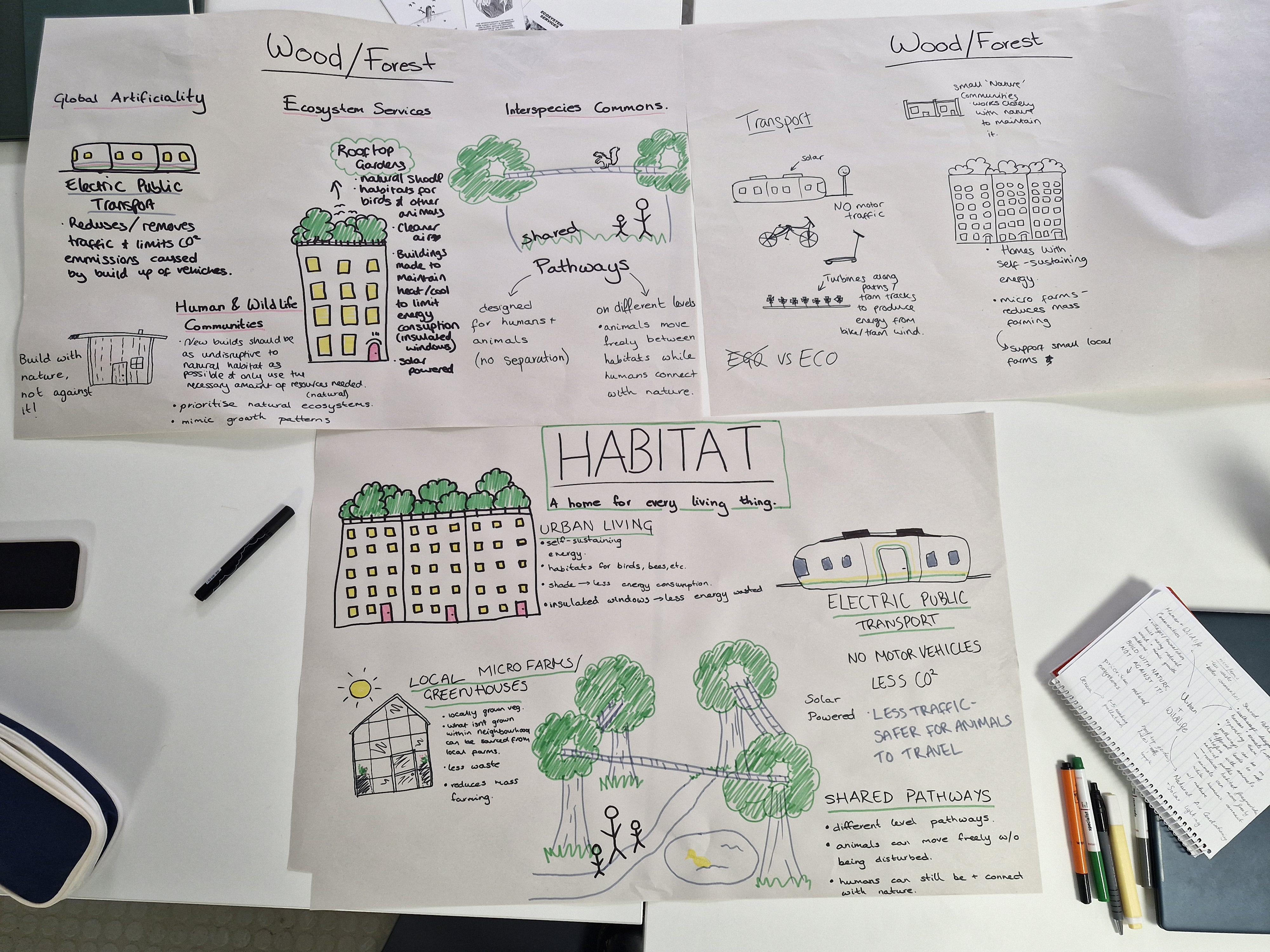
The Post Growth Toolkit served as a key starting point for this project, as it opened the doors to speculative thinking and world-building within our group. Together we considered the meaning of our three Notion Cards, filled out the questionnaire with our initial conceptions, and then began imagining what role wood and forests would take on in our post-fossil fuel society.
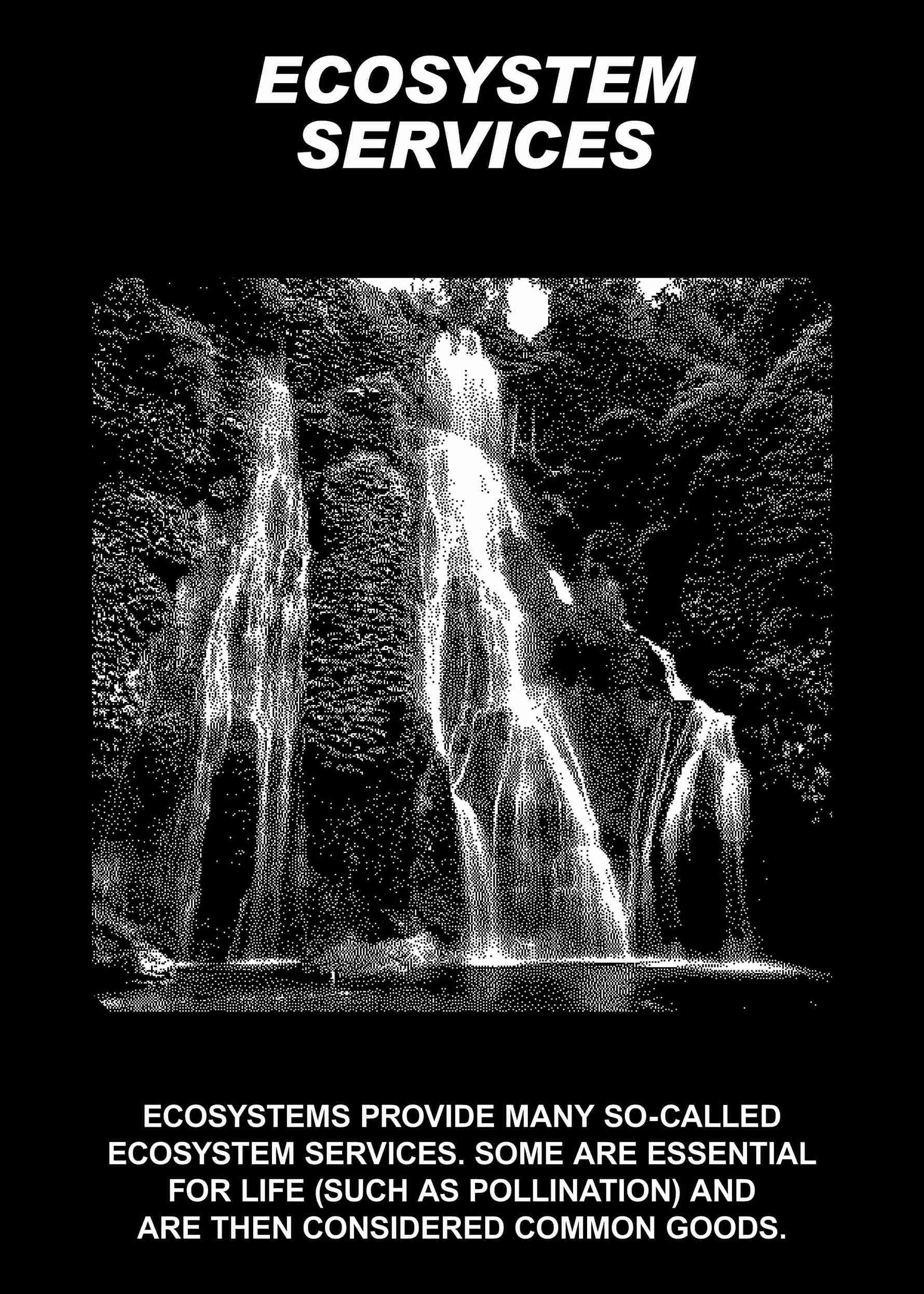
- Ecosystem services
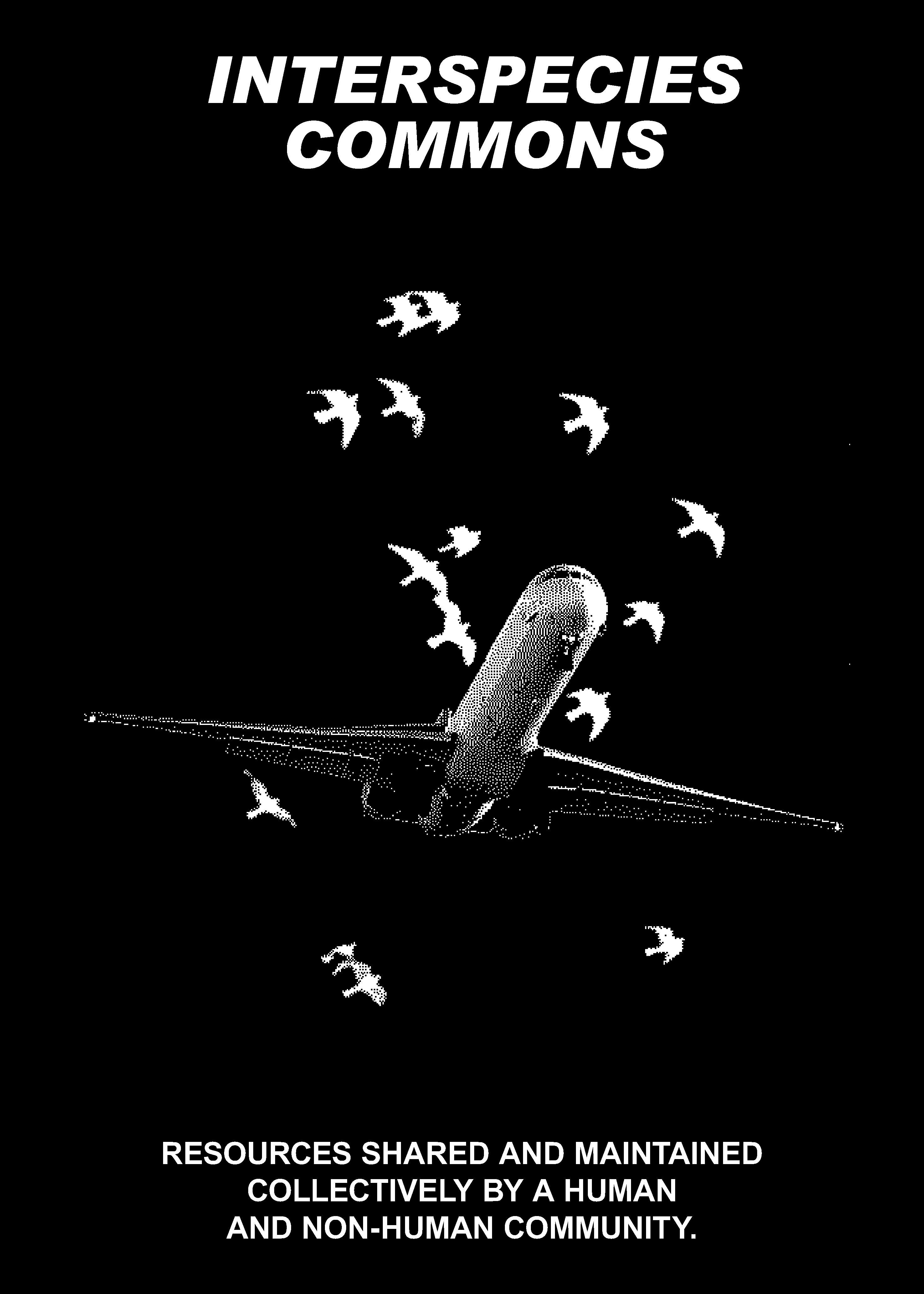
- Interspecies commons
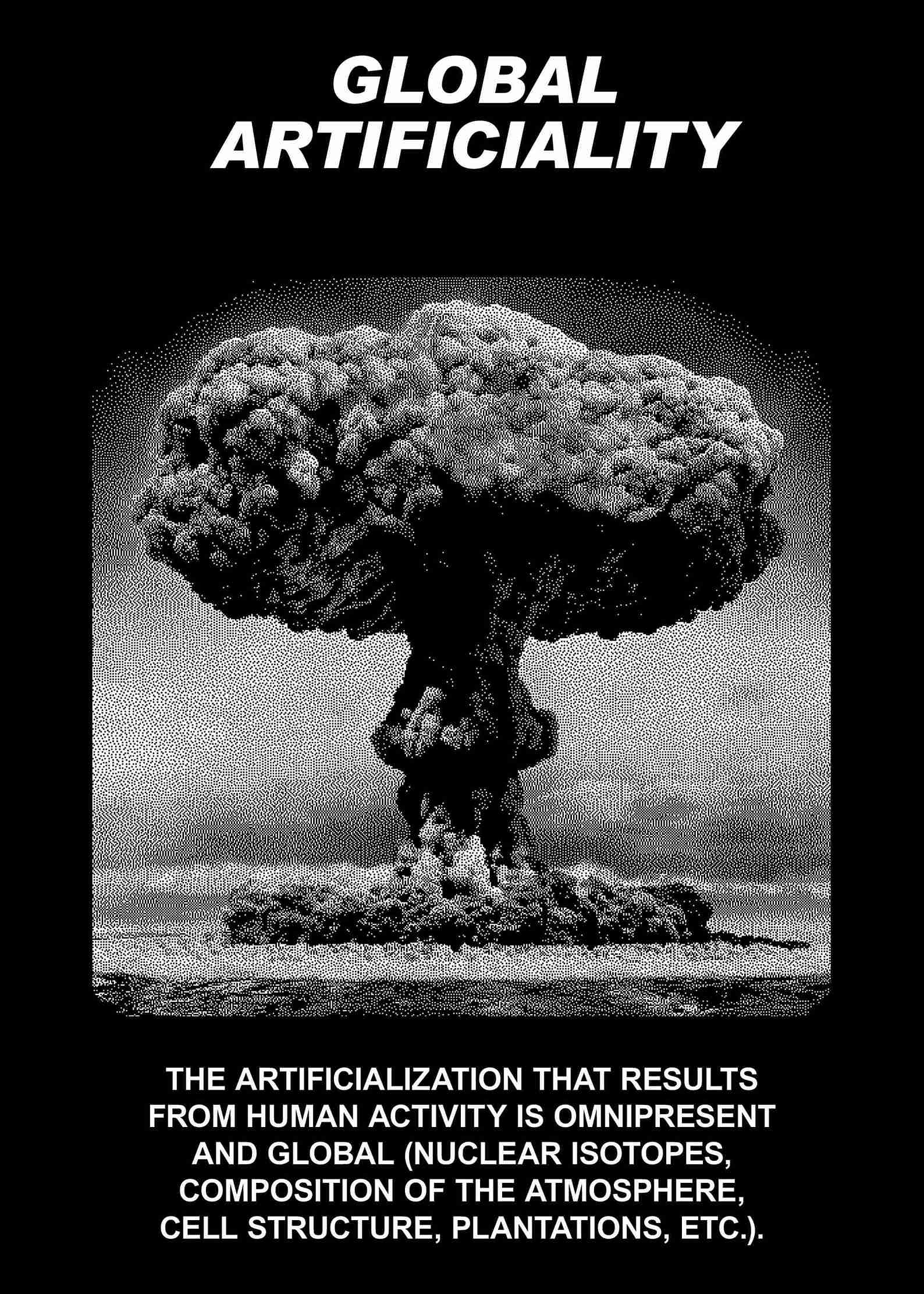
- Global artificiality
“Scientists estimate that in the 21st century 100 species will become extinct every day.”
“Because human populations are growing so fast animals and plants are disappearing 1000 times faster than they have in the past 65 million years.”
“Urban expansion threatens to destroy habitats in key biodiversity hotspots and contributes to carbon emissions associated with tropical deforestation and land use change.”
We decided to explore several real-life case studies in which designs have been created for more-than-human benefit, specifically addressing the needs of plants and animals.
- A visit to Slades Farm, Bournemouth
- My NatureWatch Camera
- More Than Human
- Green Bridges in Europe
- Pollinator Pathway Project
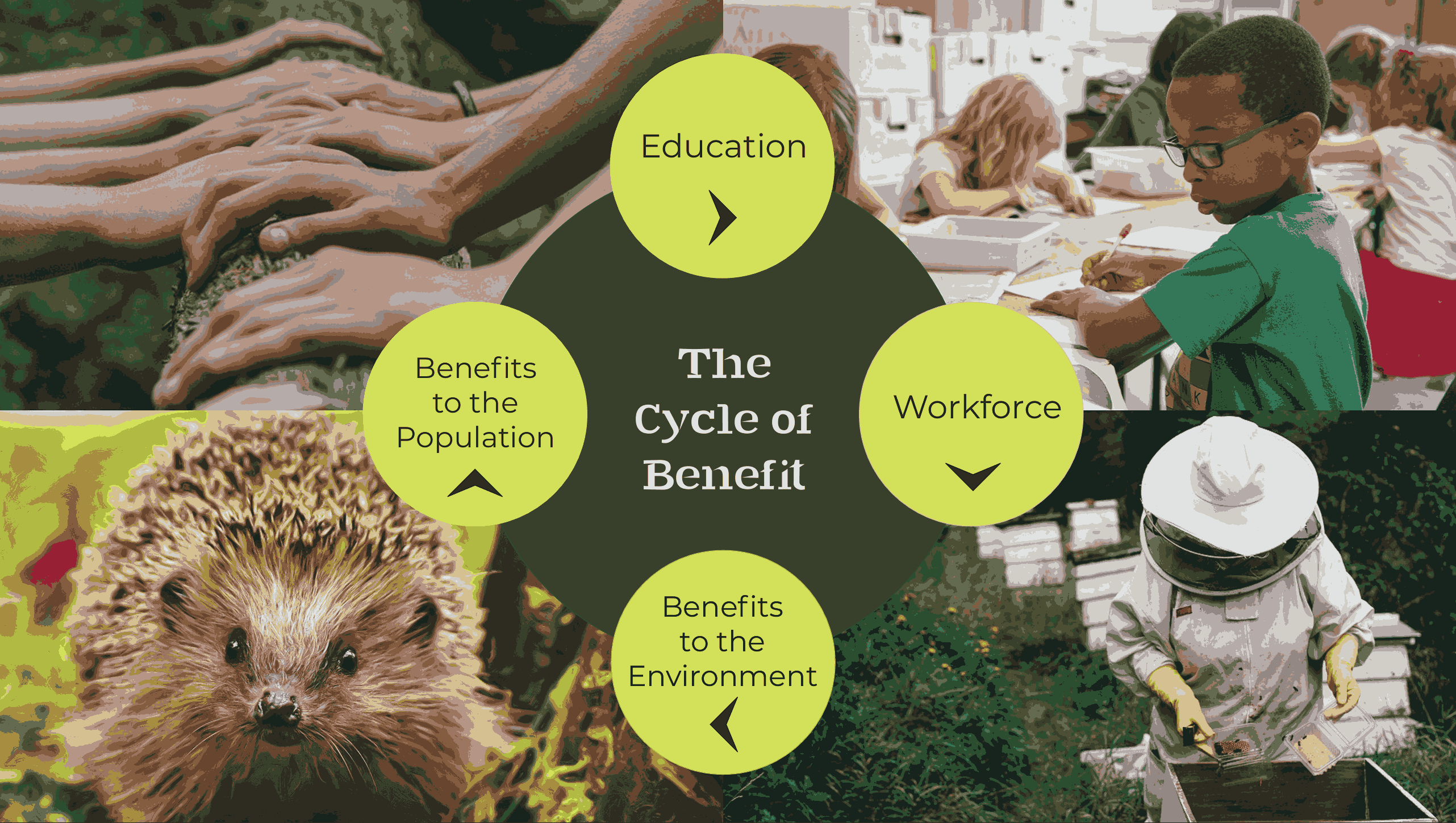
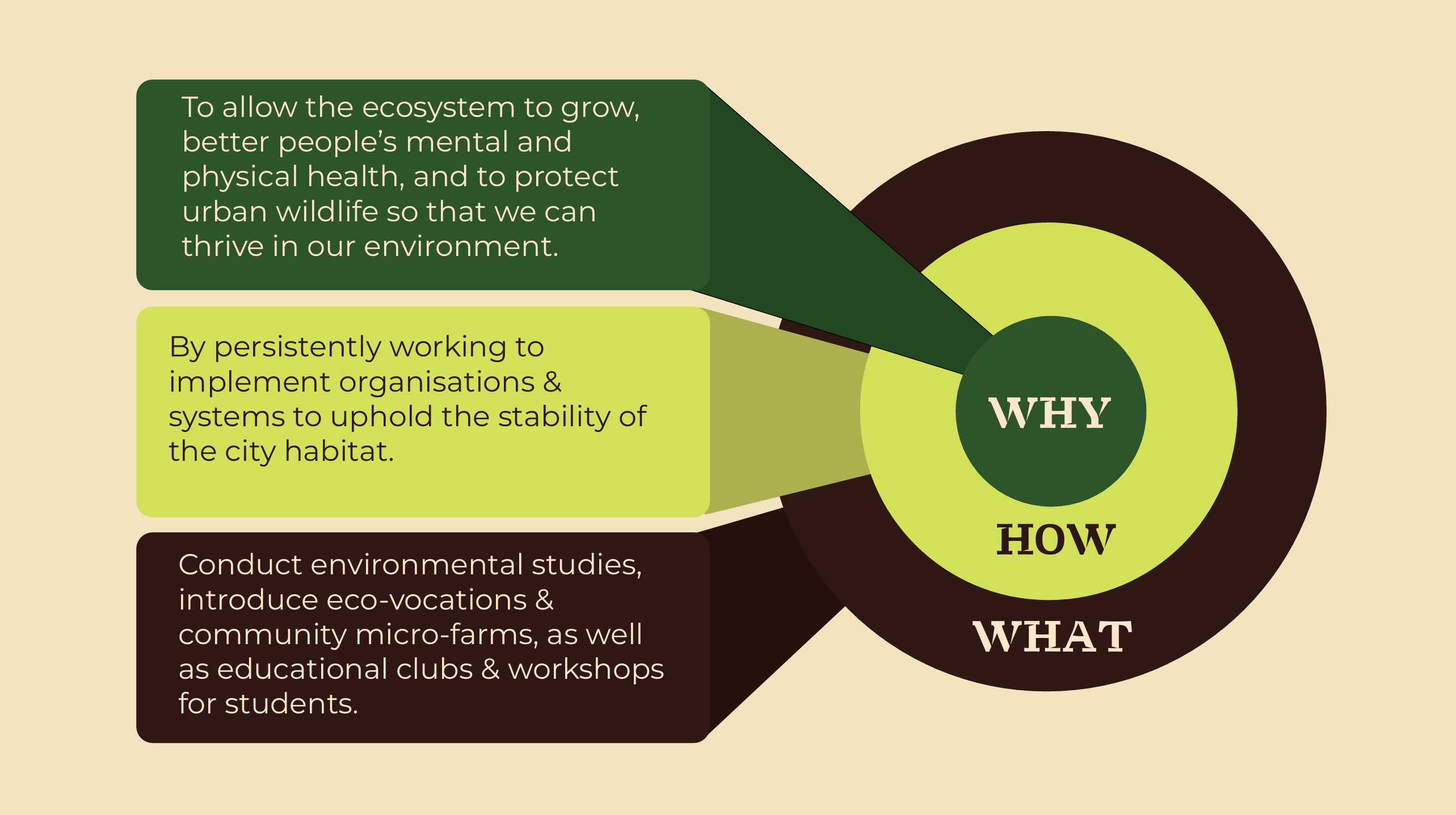
Education will be essential in fostering the community’s care for the environment, creating a cycle where environmental improvements directly enhance overall well-being.
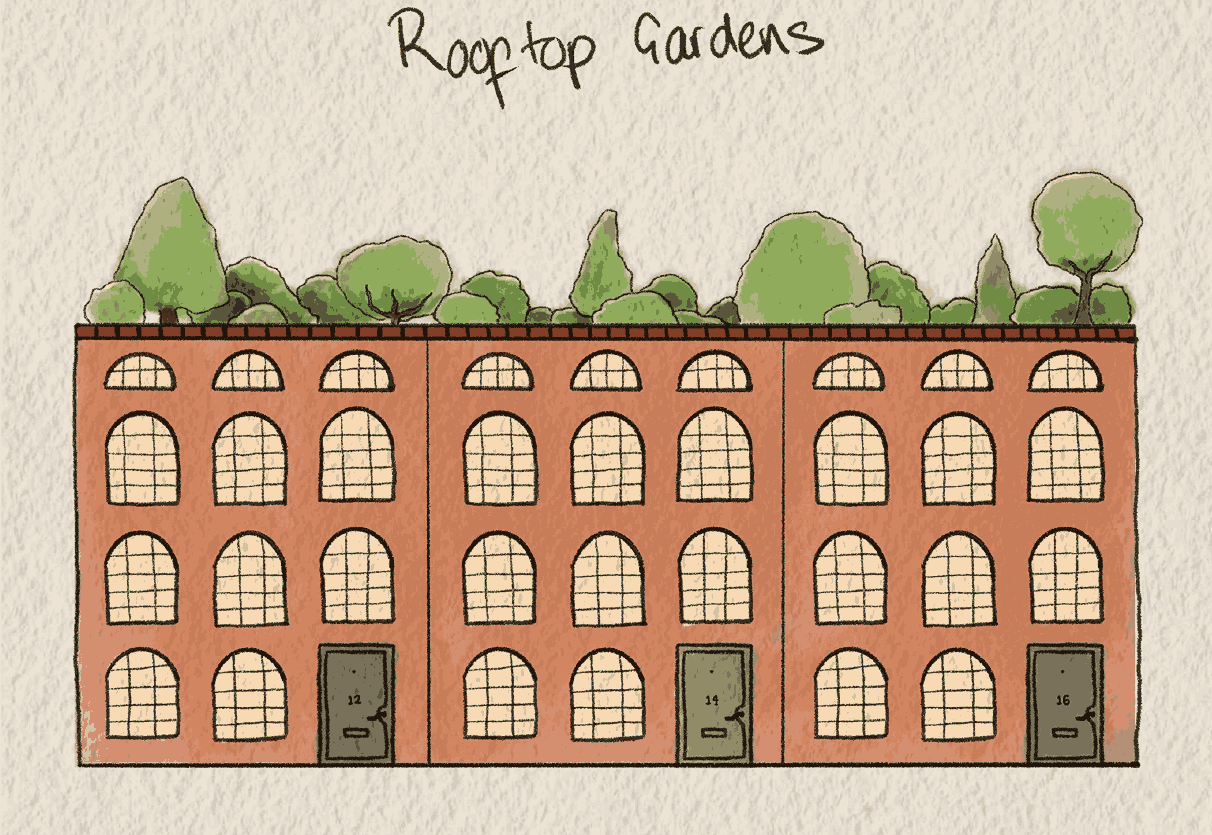
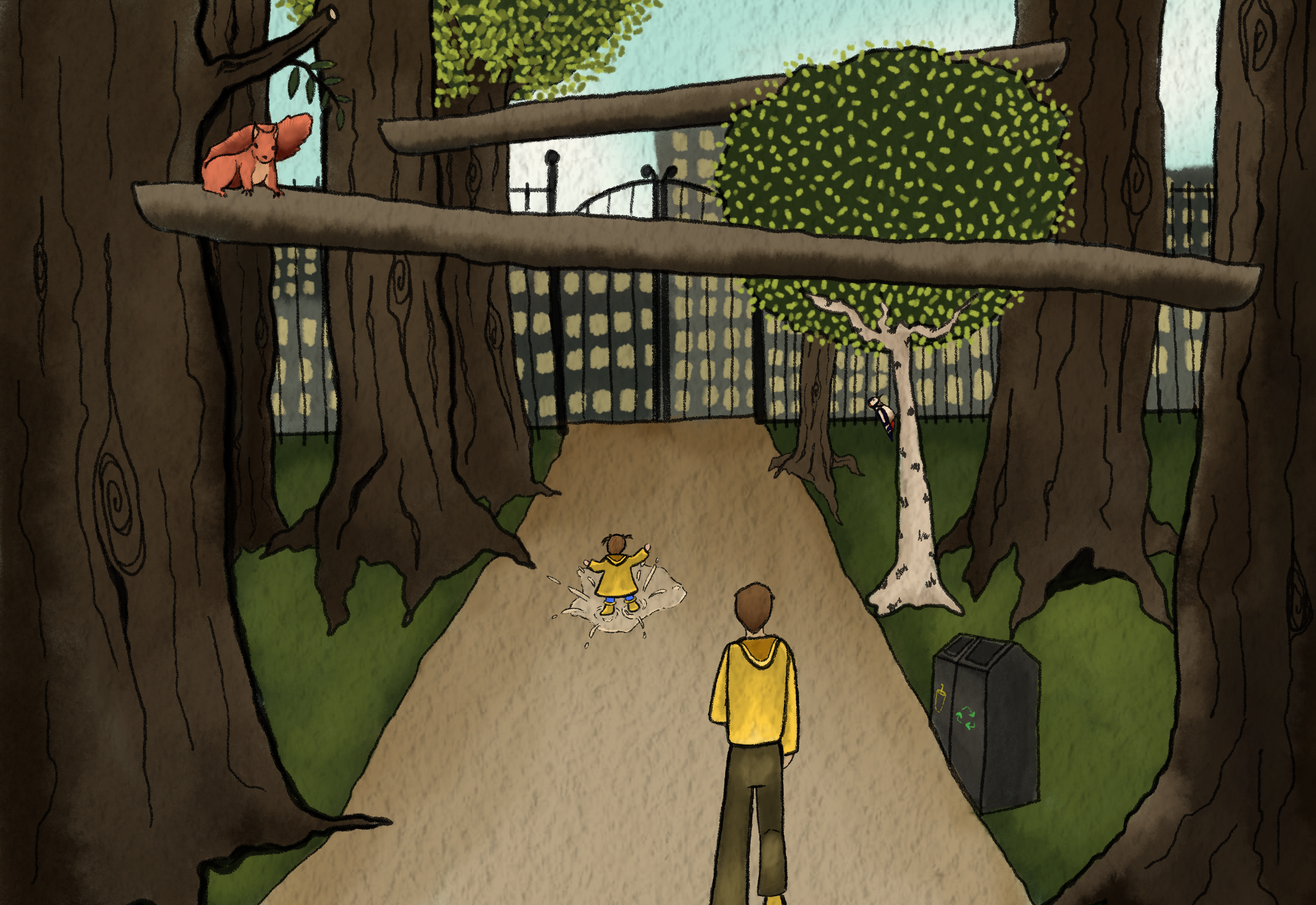
Tagoro will work according to the Cycle of Benefit and prioritises protecting at-risk species, such as bees and dormice, while the city’s infrastructure is designed to accommodate all animals.
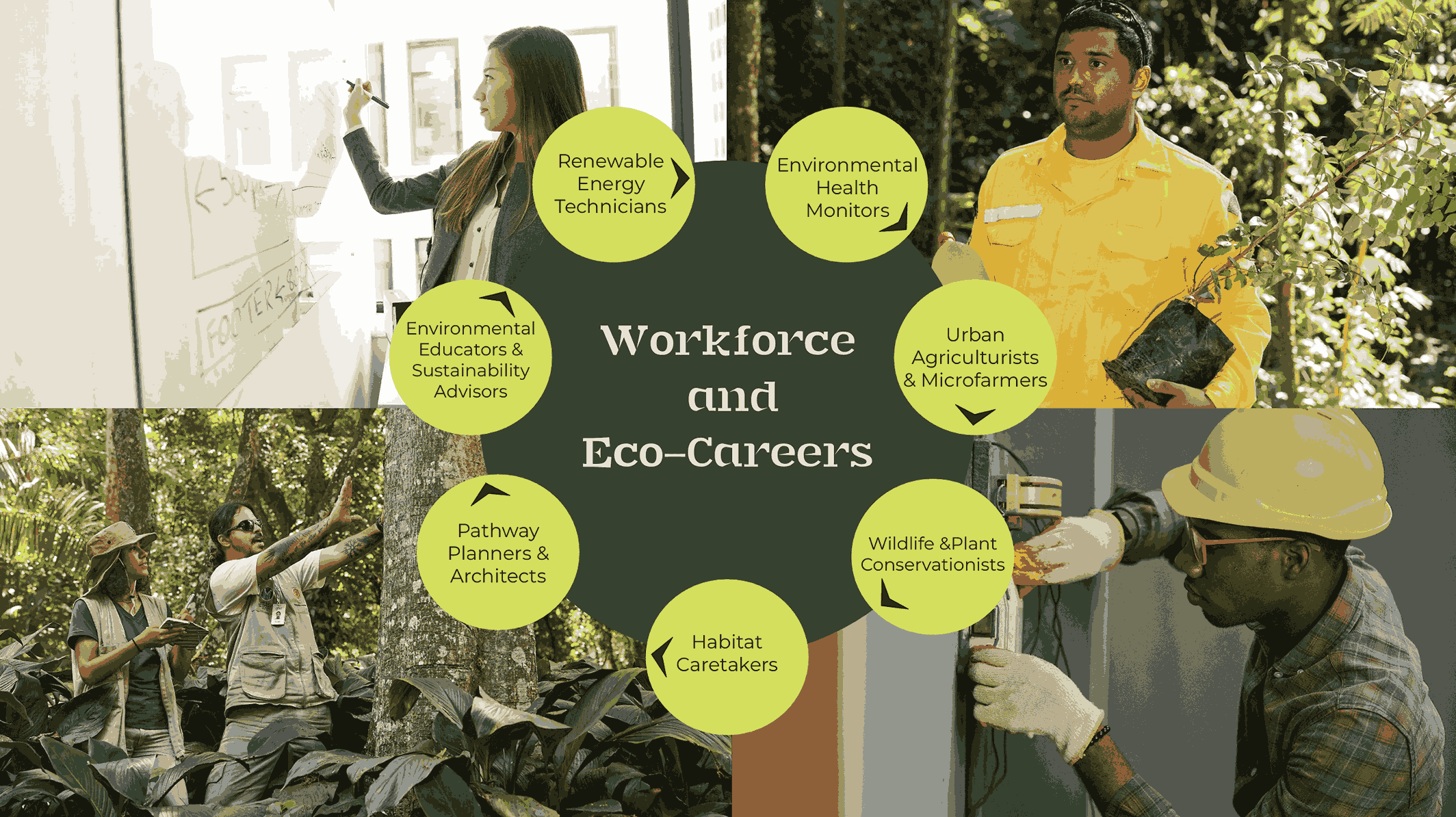
The workforce is dedicated to maintaining these conditions, ensuring a balanced and thriving ecosystem for both humans and wildlife.
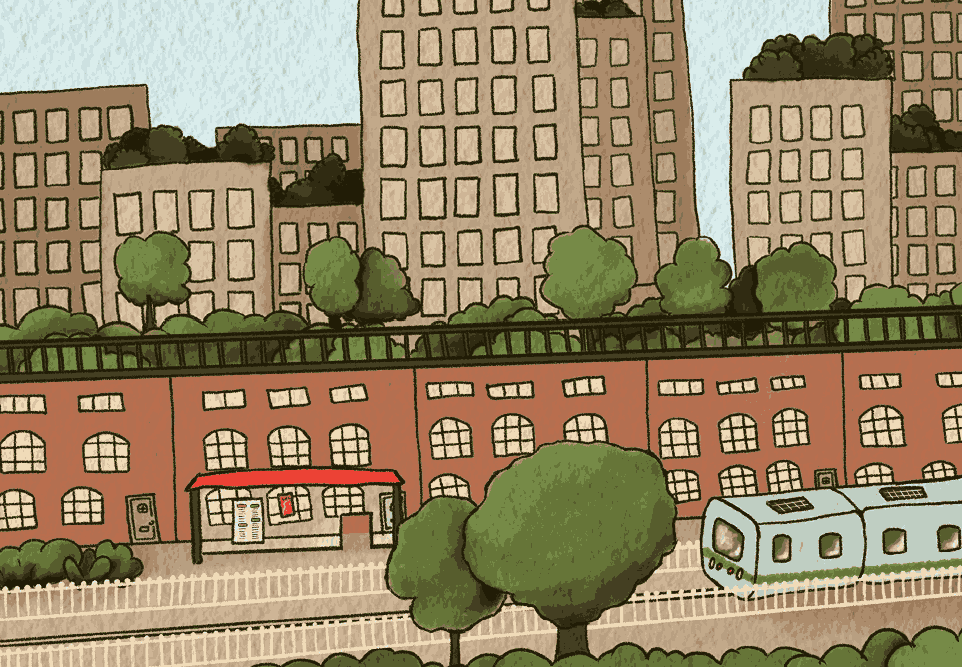
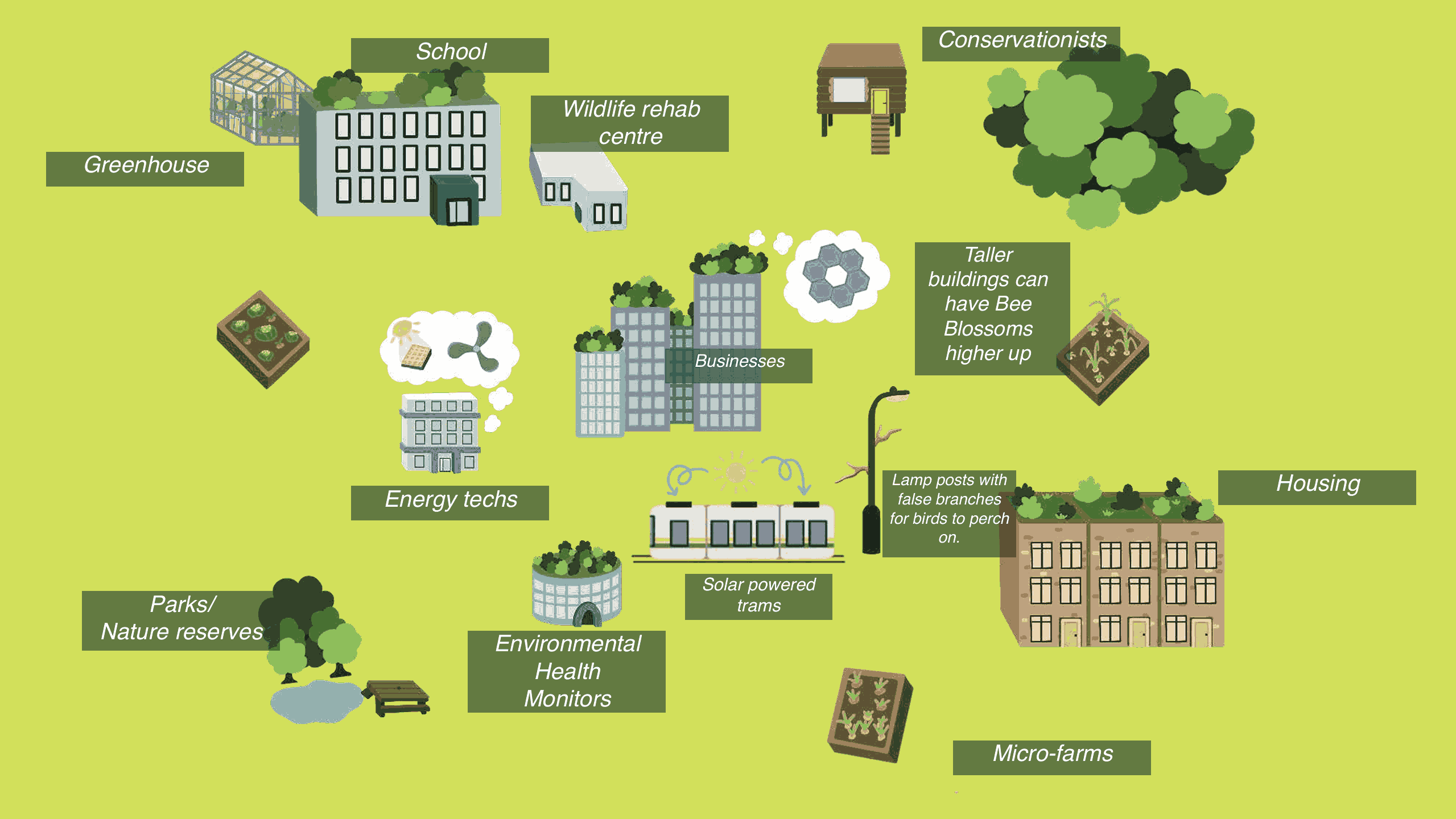
This map details the flow of Tagoros urban structure. This system prioritises environmental sustainability, while schools provide access to green spaces and activities like micro-farming, allowing people to adopt sustainable habits early on in life.
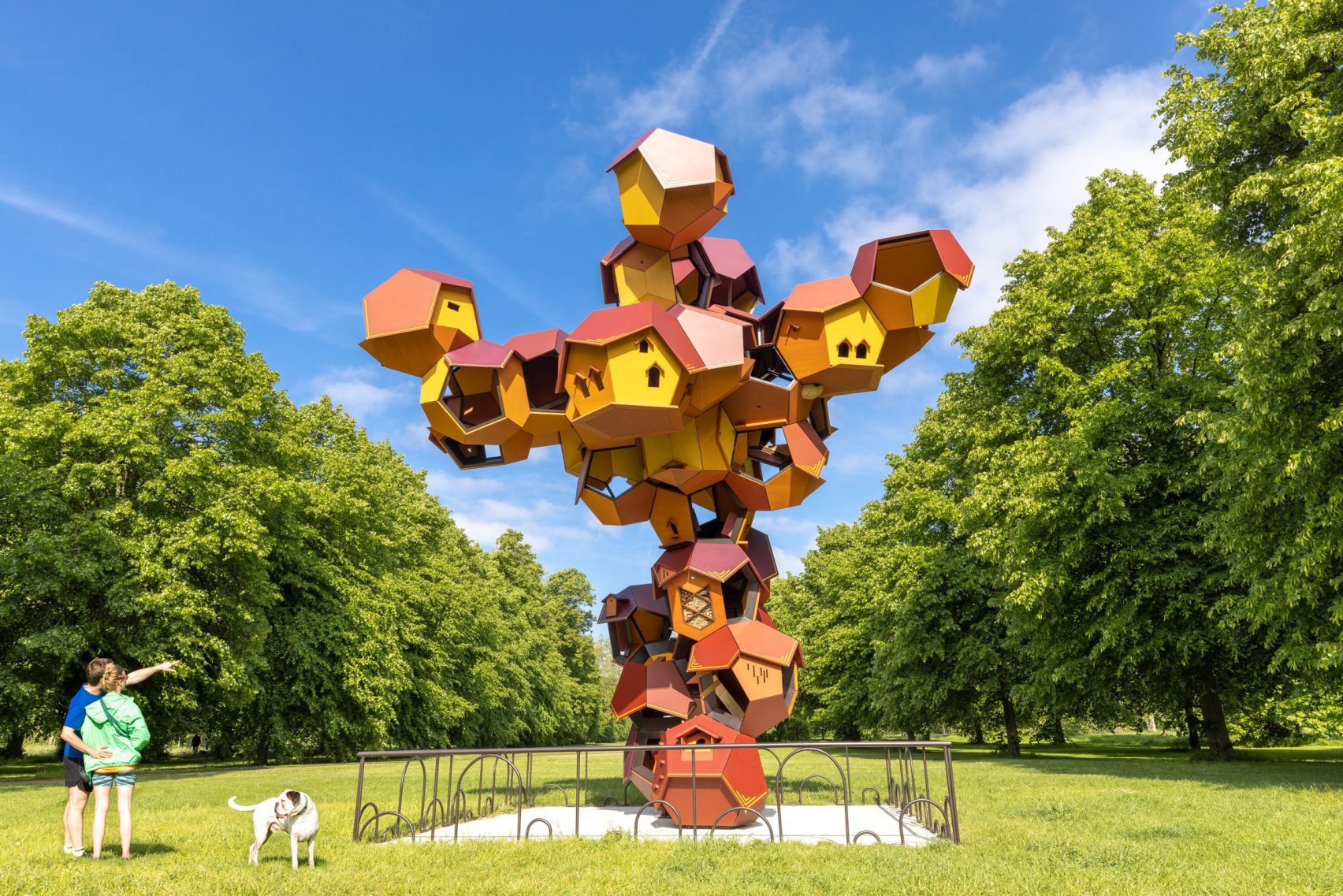
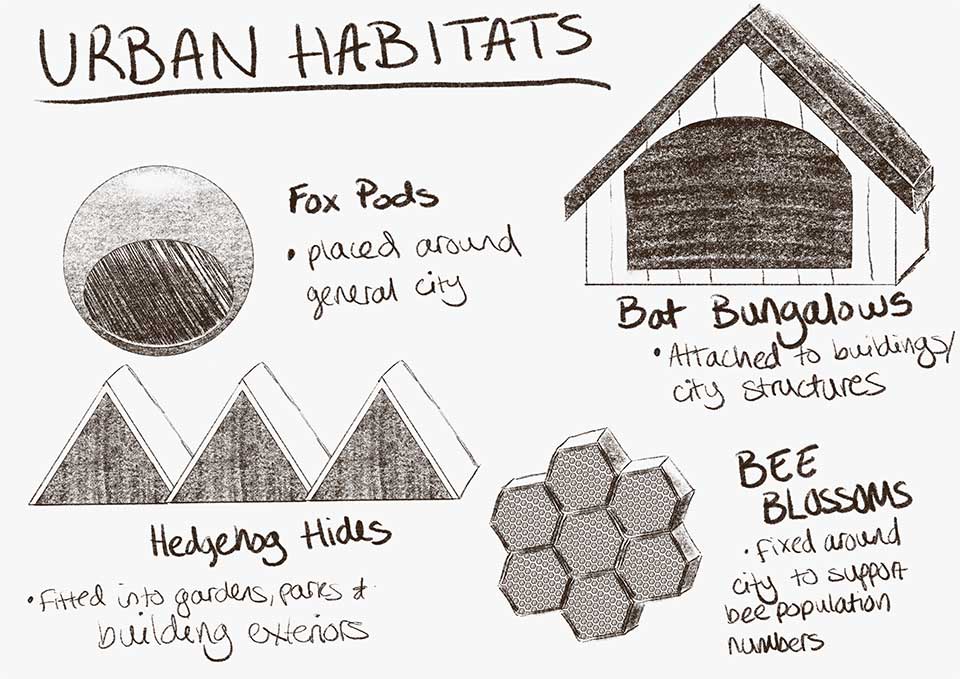
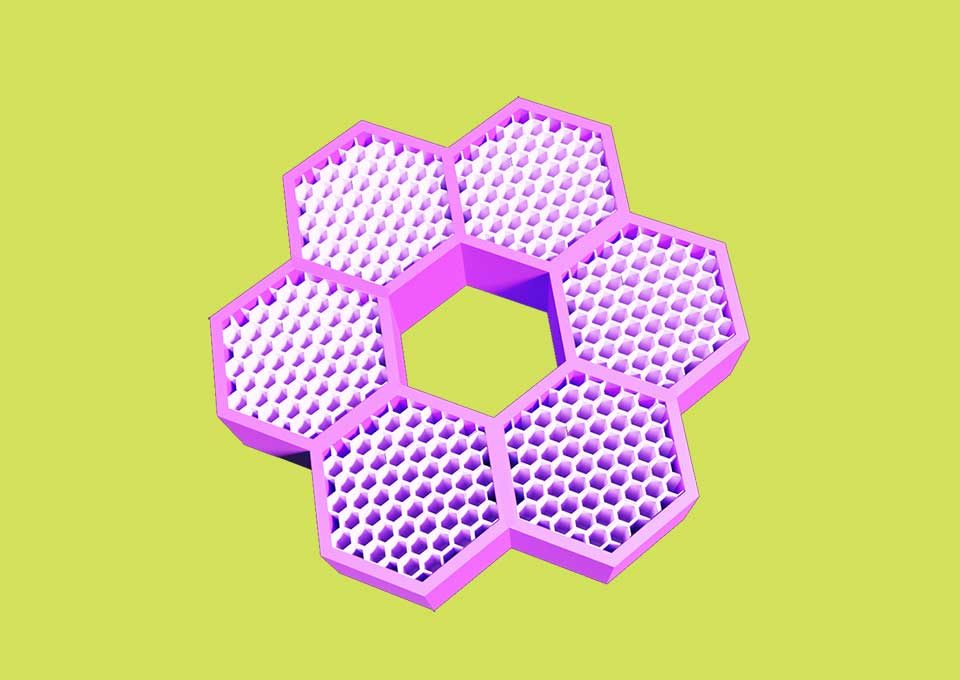
We also developed a series of prototypes for urban habitats for animals, specifically those that are disappearing and at risk, such as bees and dormice.
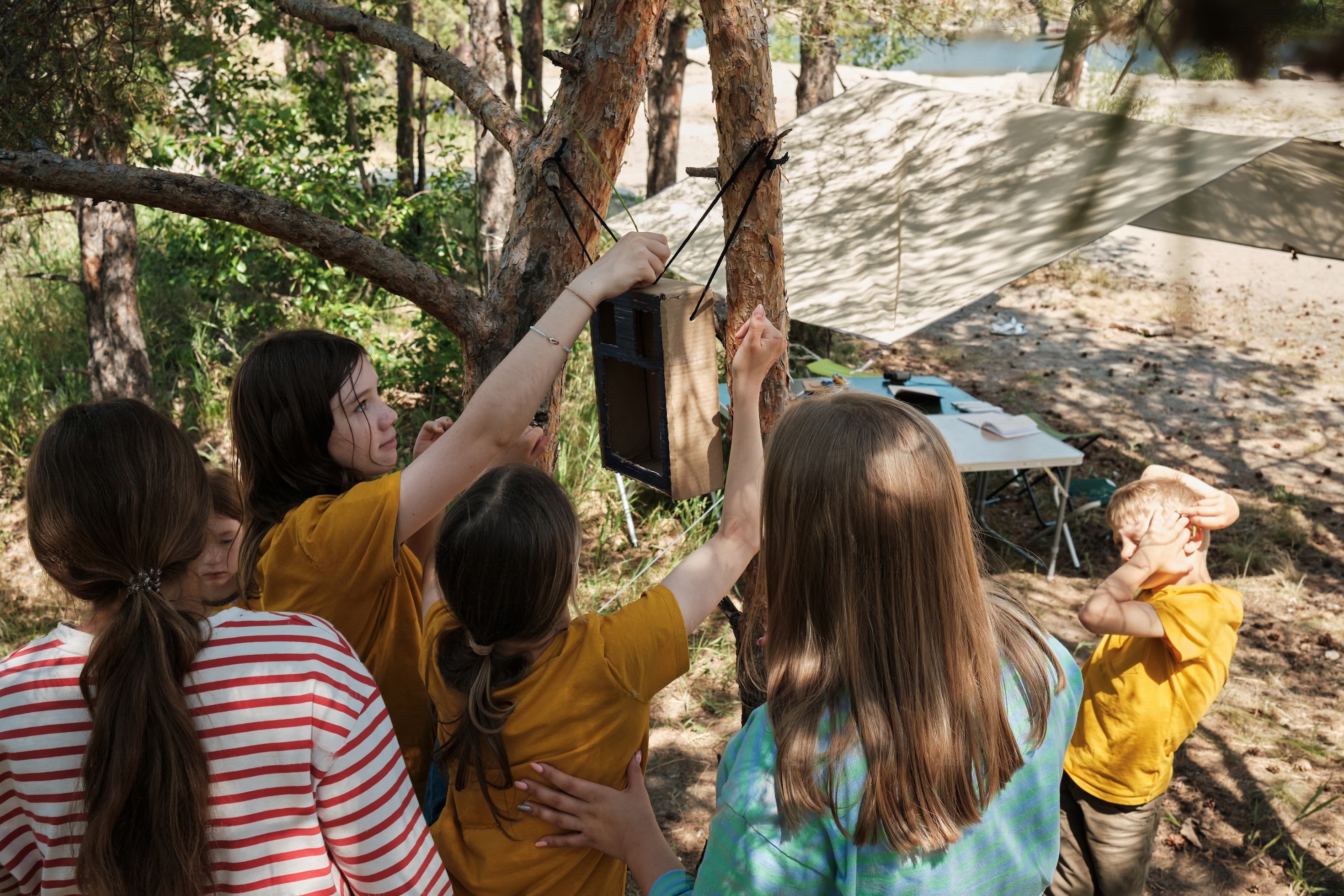
These structures would be installed on the outside of buildings, in public spaces such as parks, and even in people's homes.
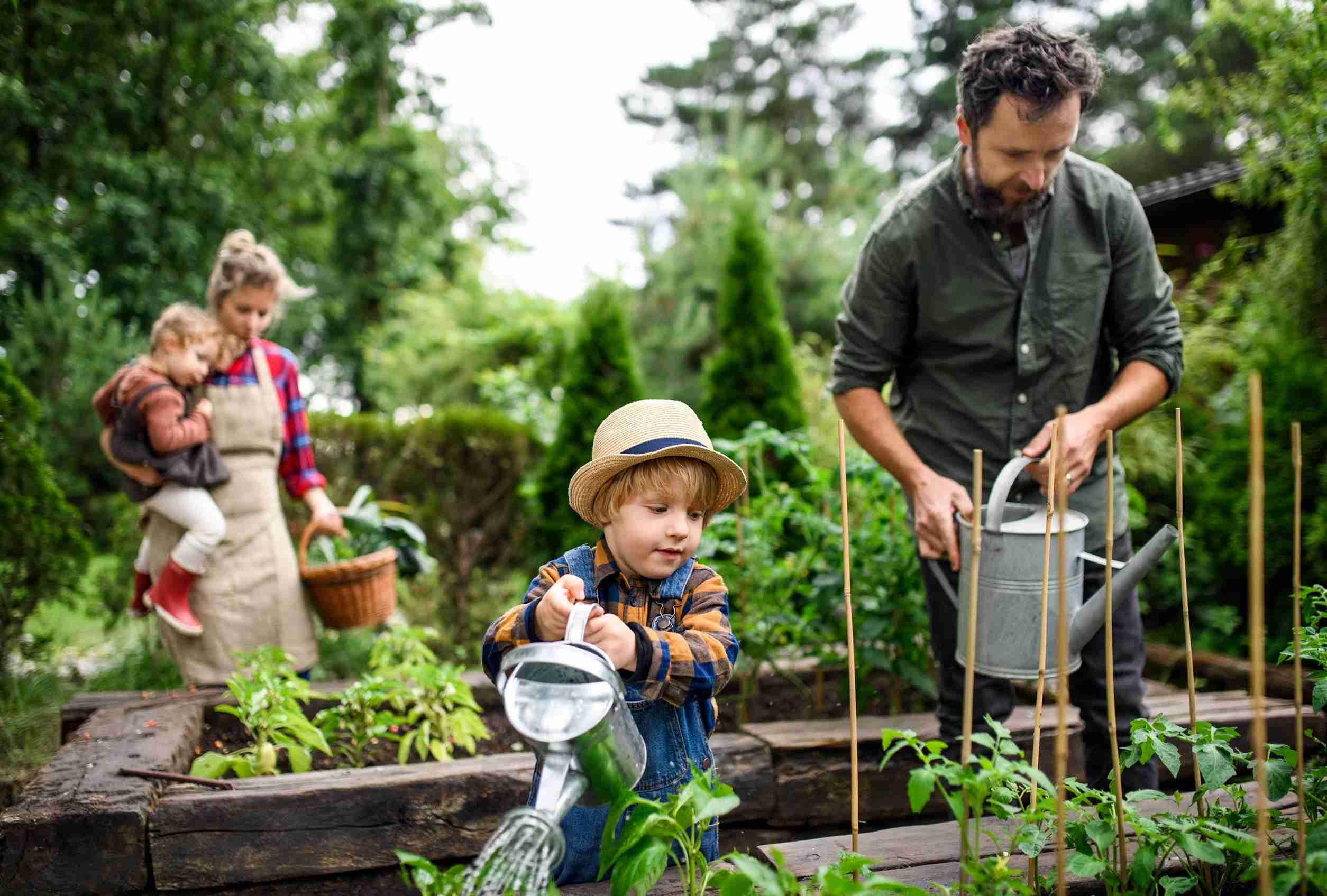
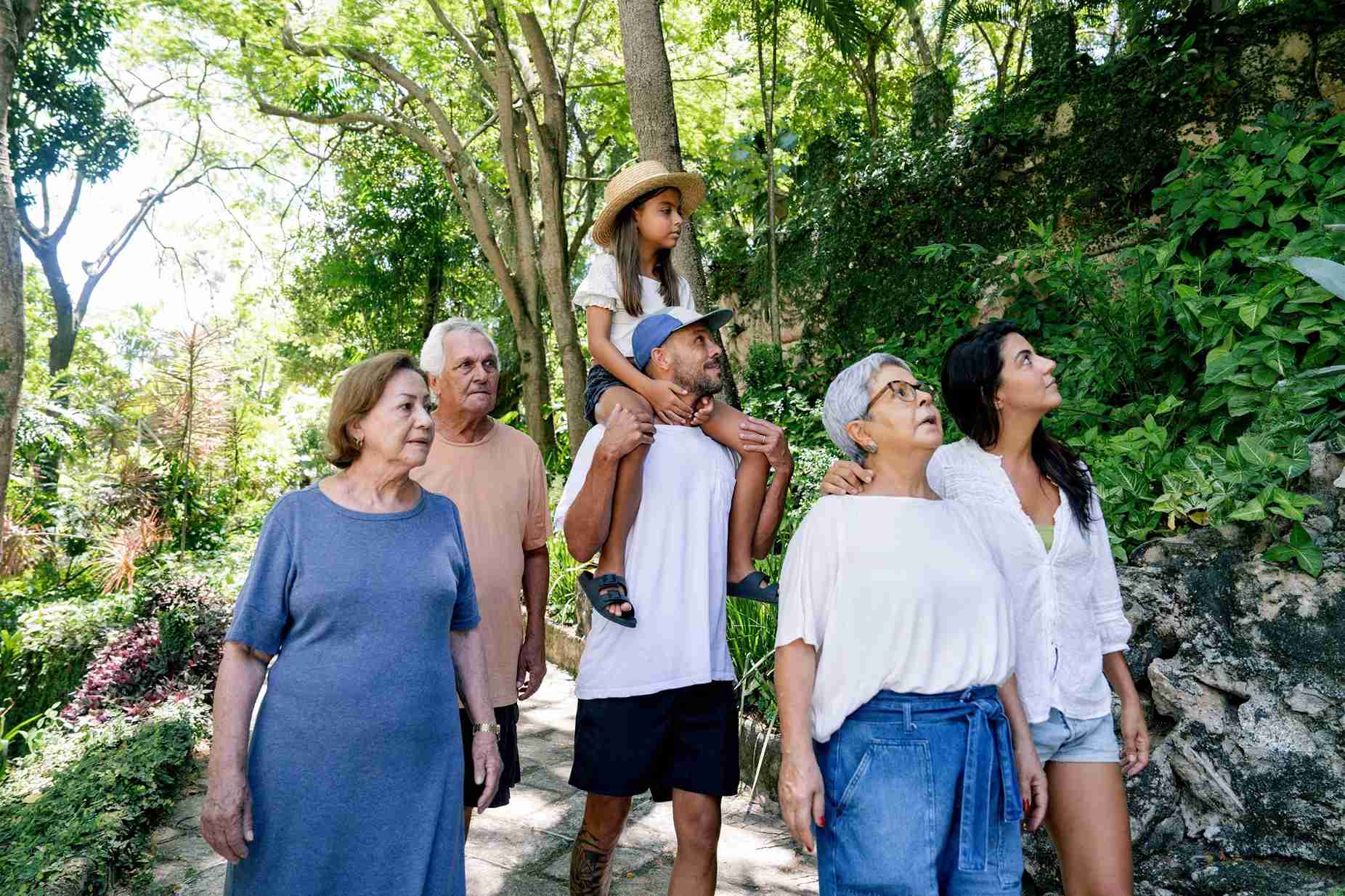
Families are a powerful audience for Tagoro because they shape the habits and values of future generations, creating long-term impact.
Engaging both children and parents creates shared learning experiences, bonding, and a collective commitment to building a sustainable, harmonious lifestyle.
Tagoros purpose is to inspire a lifestyle rooted in harmony with nature, where communities thrive by supporting all living beings and promoting sustainable practices that nurture both Tagoro and it’s people.
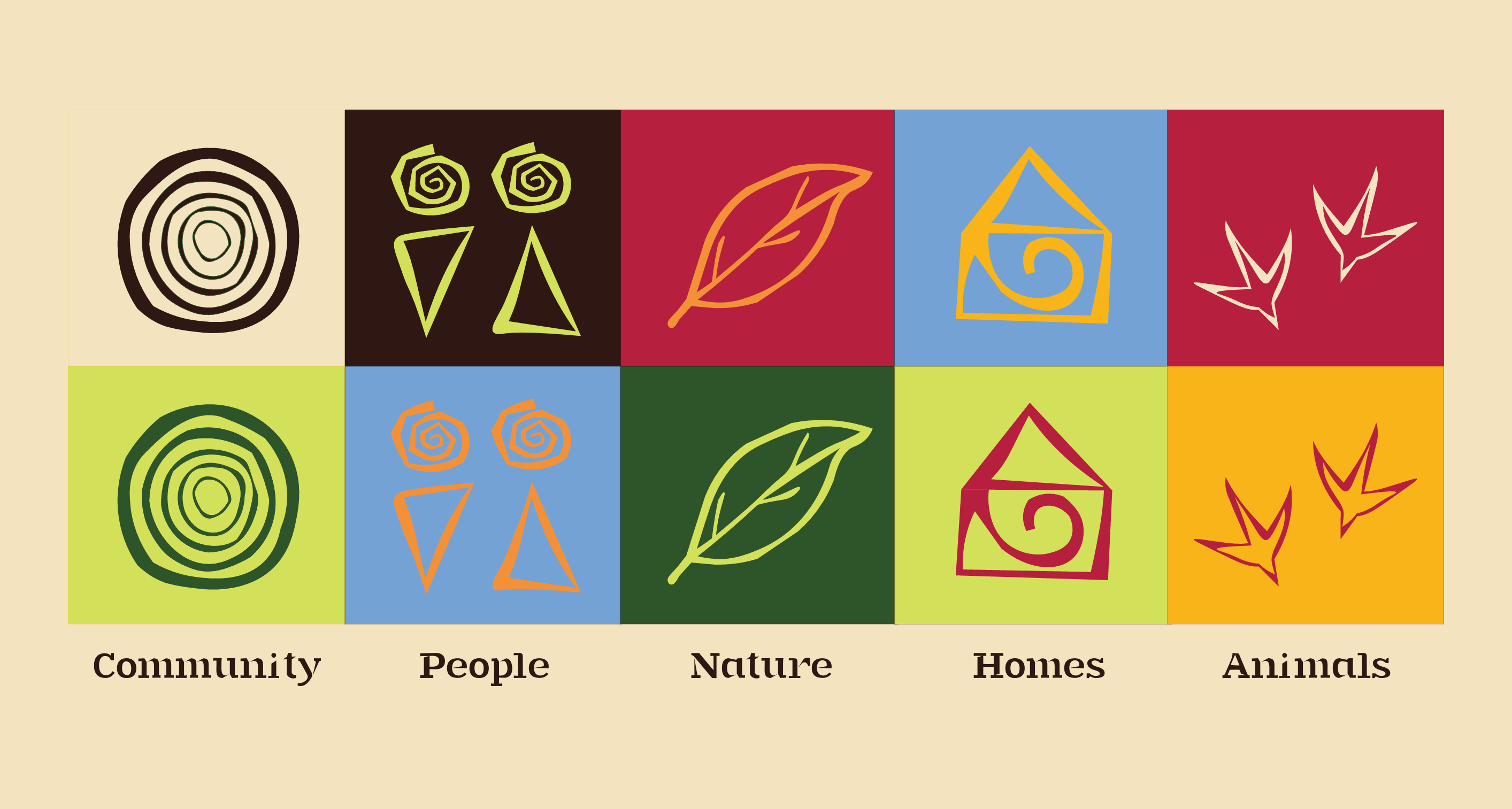
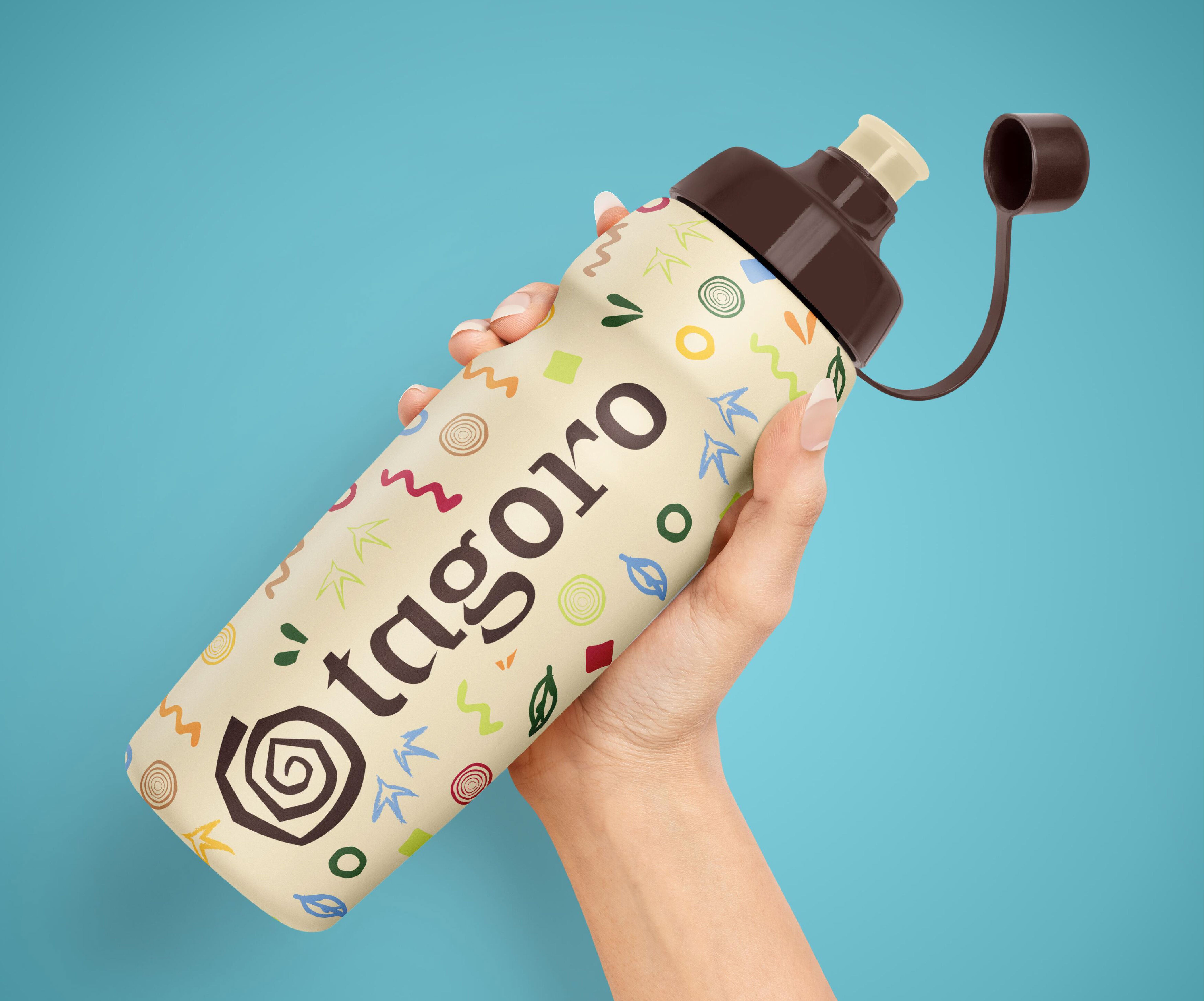
Our branding drew inspiration from Guanche culture and creates a balance between cultural authenticity, aesthetic appeal, and functionality. Each element was carefully chosen to ensure that the designs communicated our brand’s values while remaining accessible and engaging to our target audience. By combining a meaningful name, thoughtful symbolism, and a tailored focus on families and children, the final identity creates a sense of unity and sustainability.
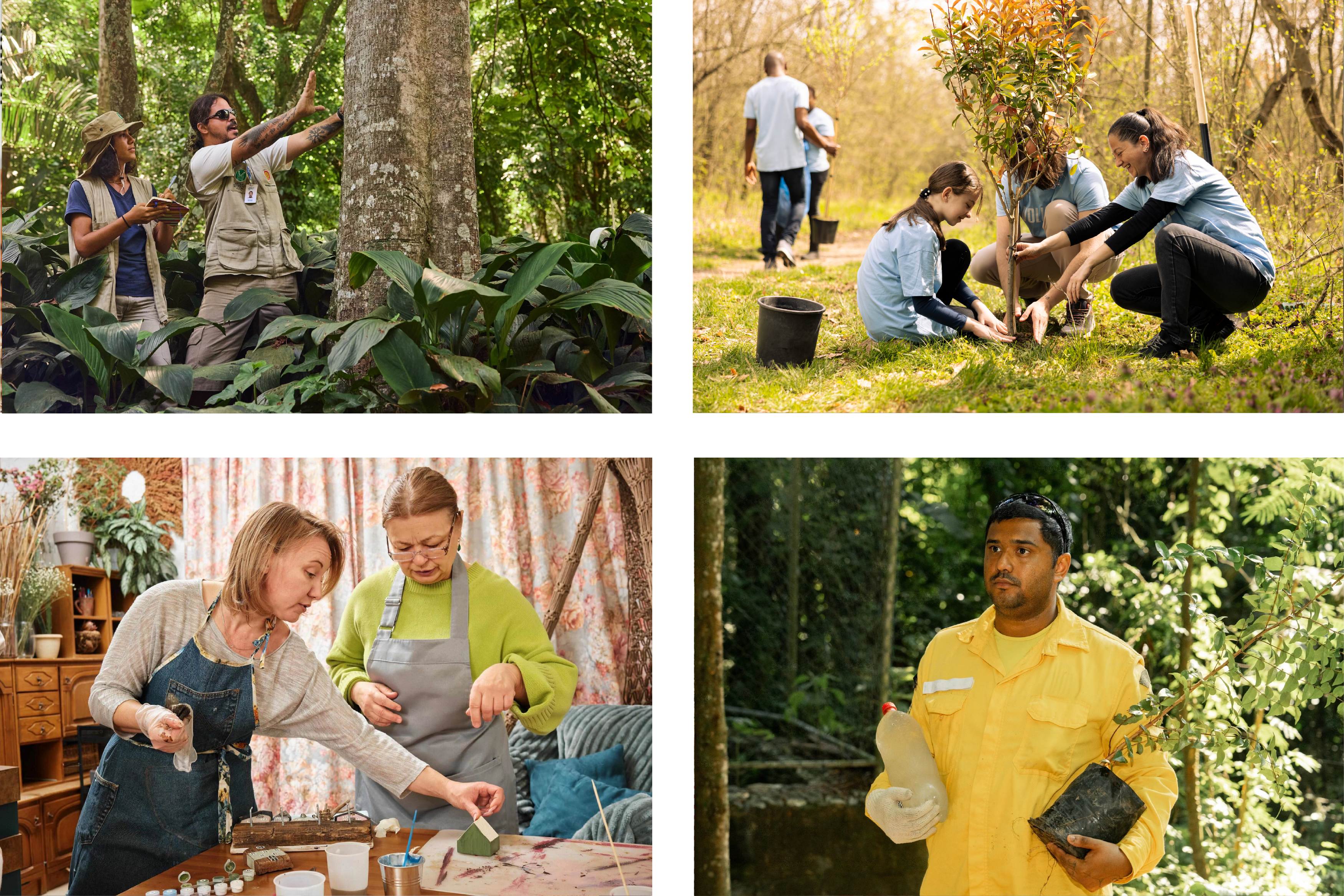
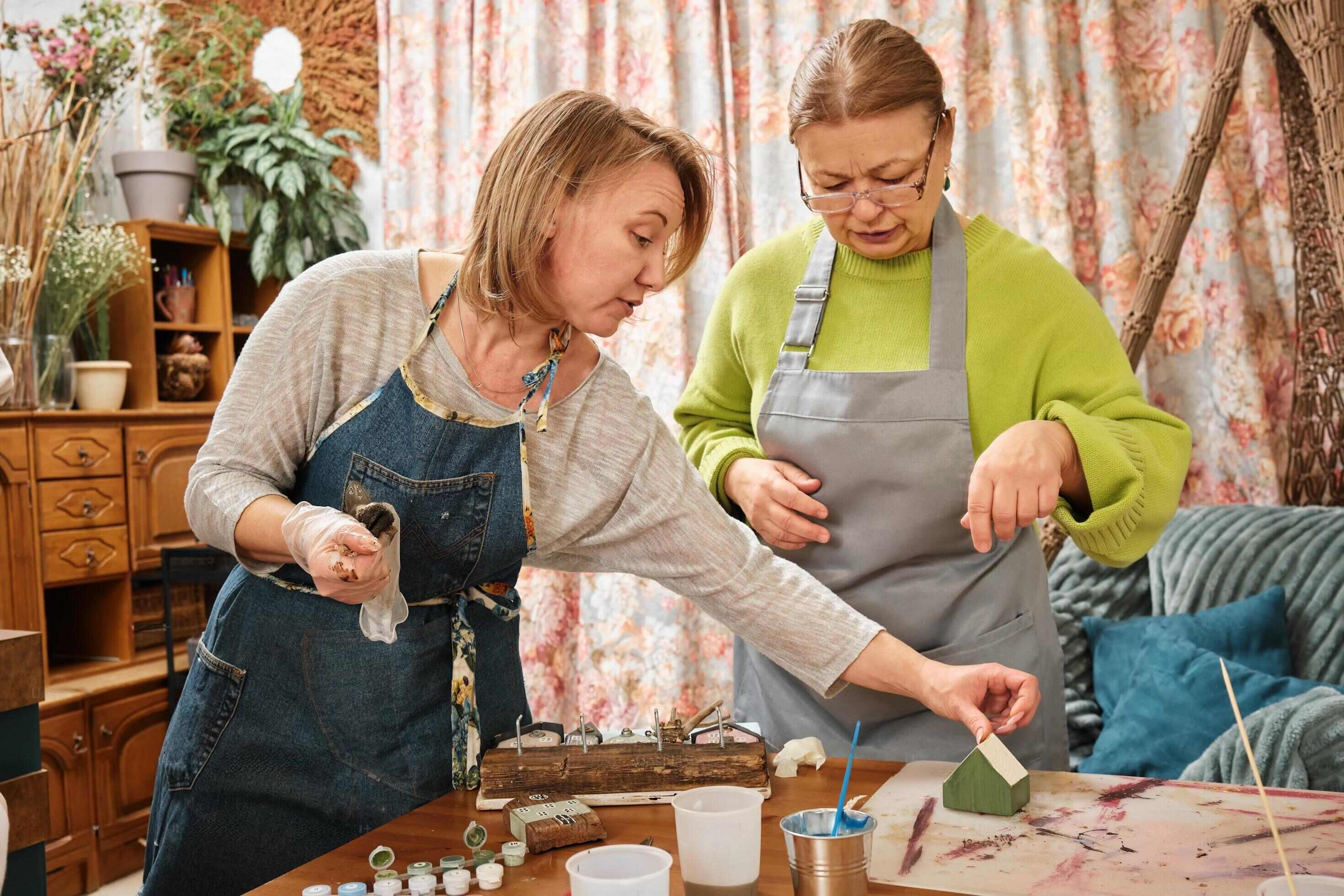
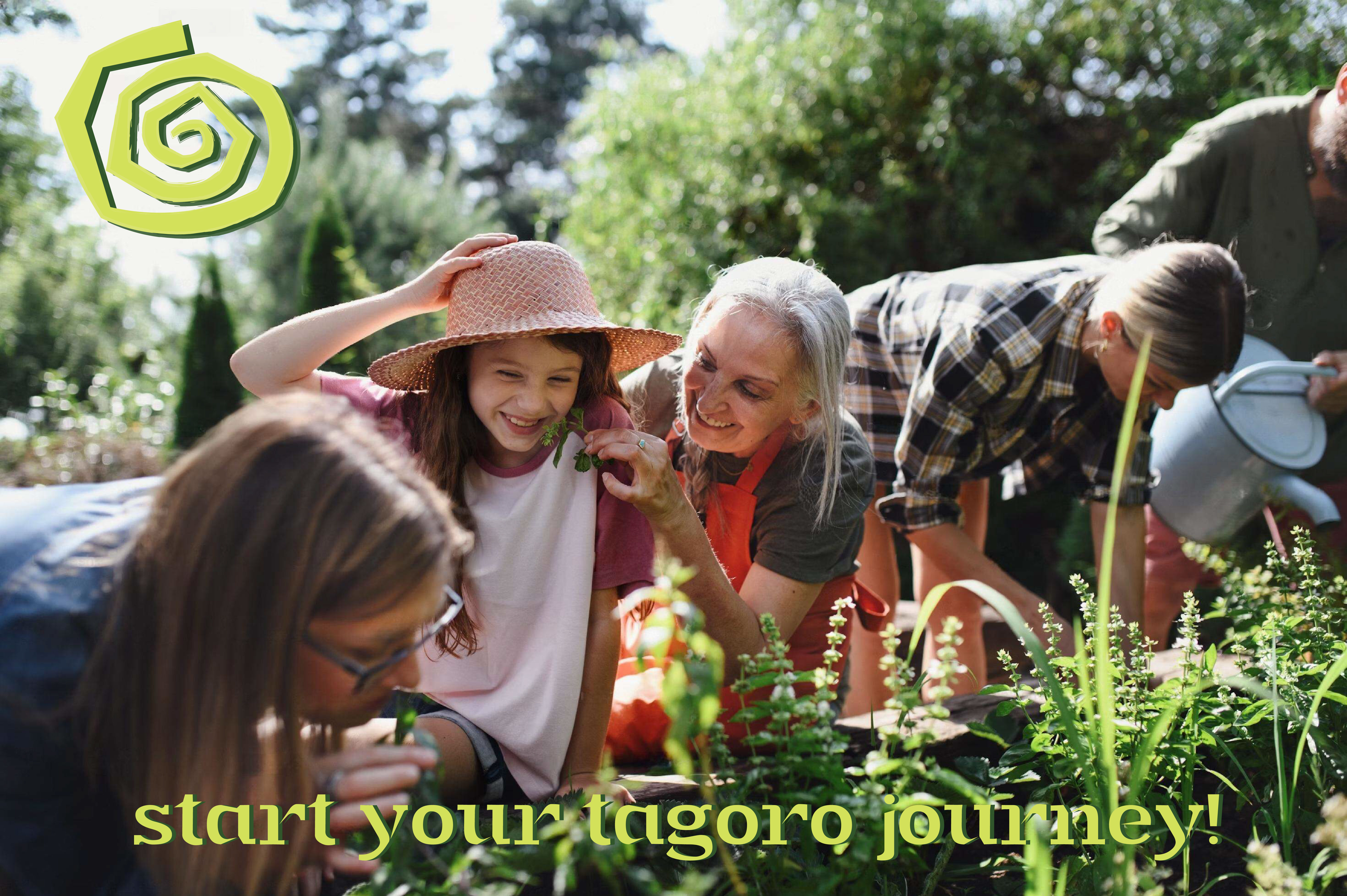
I was responsible for sourcing images that authentically represented our brand’s target audience, experiences, and values while helping shape Tagoro's story and identity.
I carefully selected high-resolution imagery from various online resources, such as Pexels, Pixabay, and Unsplash, ensuring they not only reflected Tagoro's essence but also maintained a cohesive aesthetic.
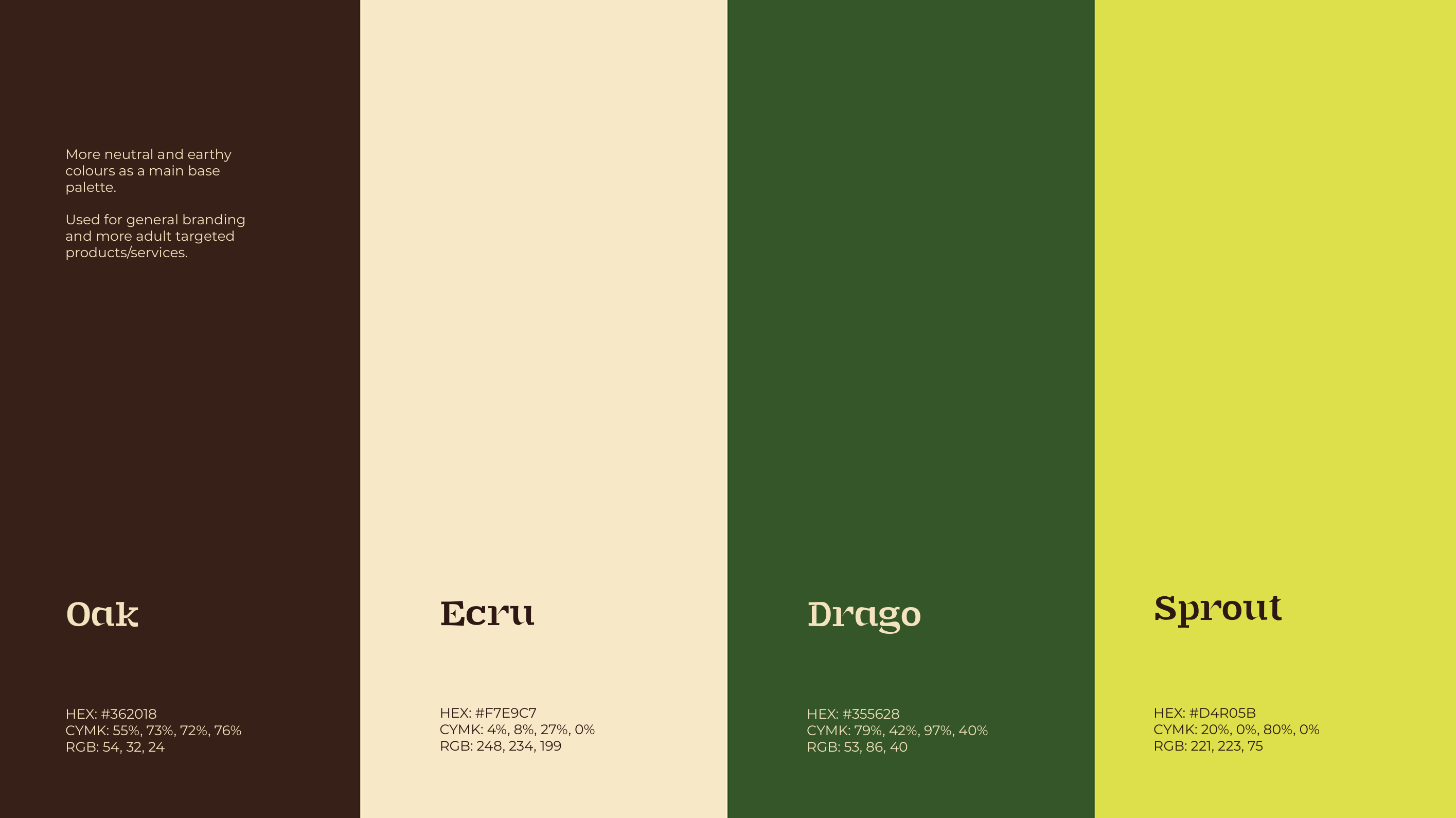
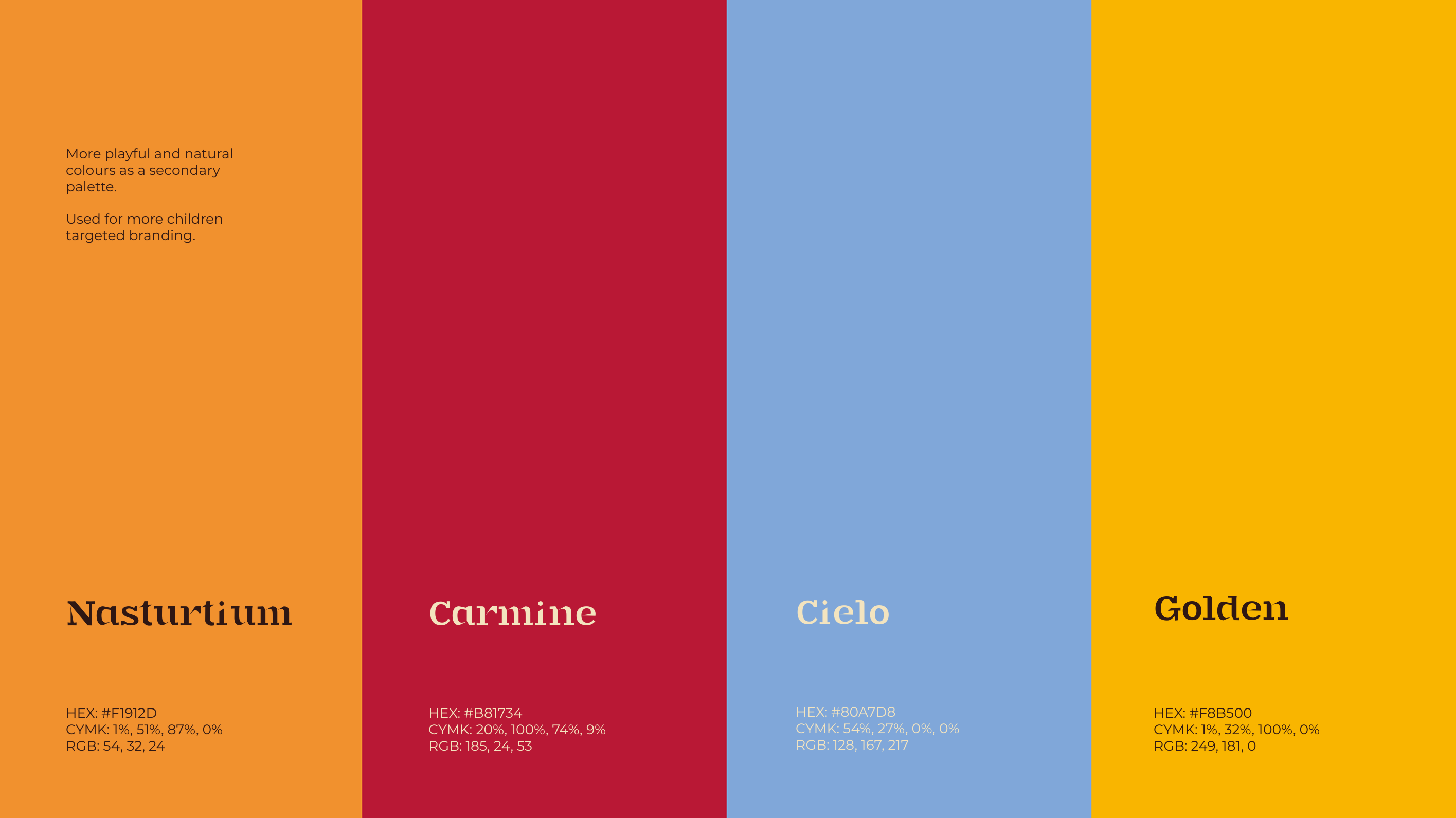
To reinforce brand recognition, I prioritised images with bright colors and subtle incorporations of our primary brand colour, ‘Sprout,’ creating a subconscious visual link for our audience and instantly recognisable visuals for Tagoro in public spaces.
We made sure to engage as many audiences as possible through social media.
By promoting Tagoro, it's message, and it's products/services on social media, we are not only expanding the age-range of the audience we want to reach out to, but also creating an online community.
We are creating an online space where people can learn and share about the 'Tagoro' experience, as well as making it easily accessible for everyone.
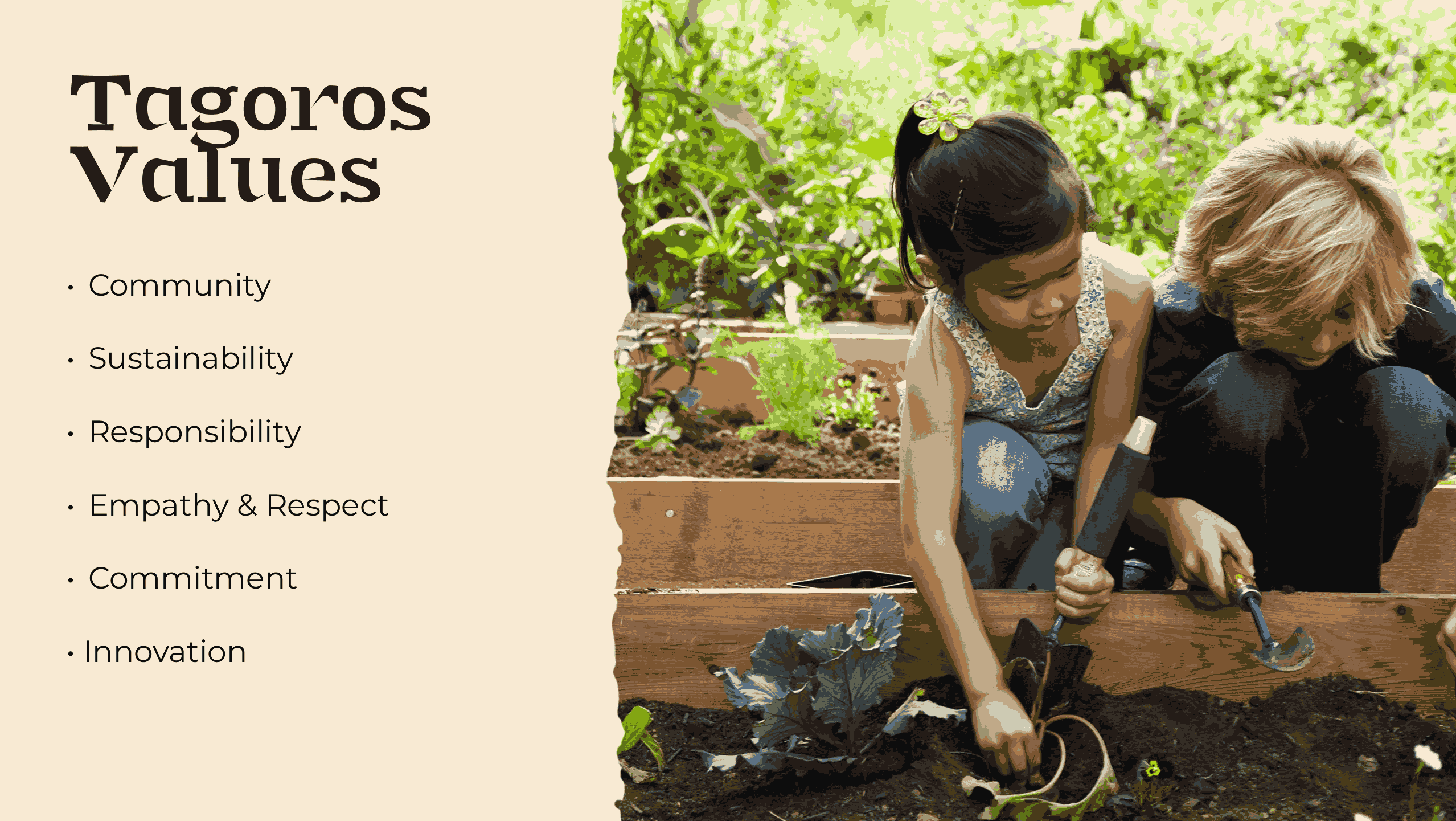
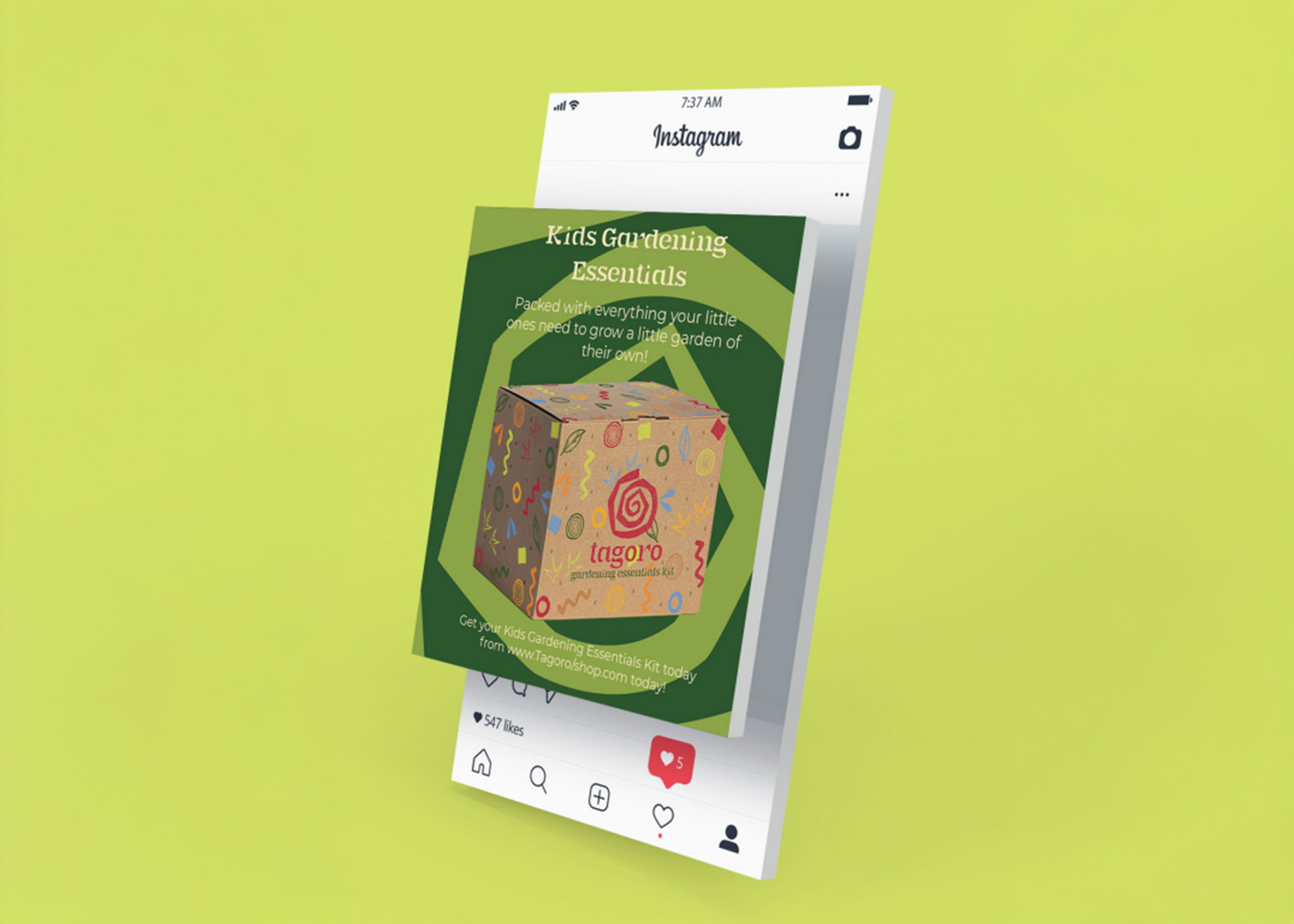
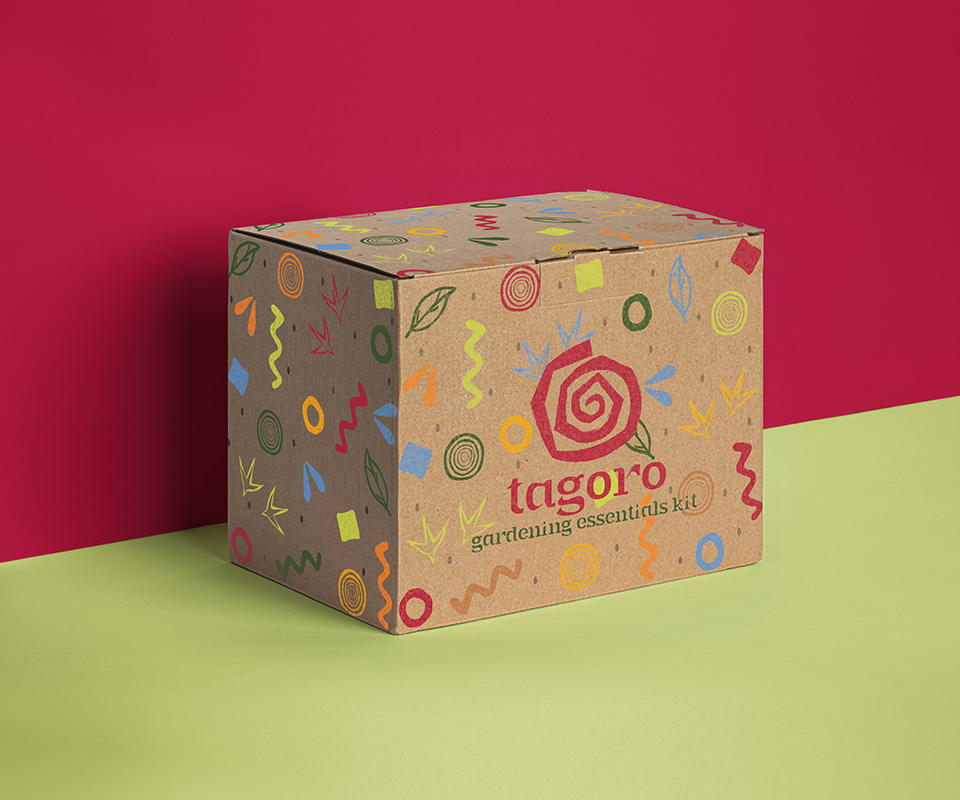
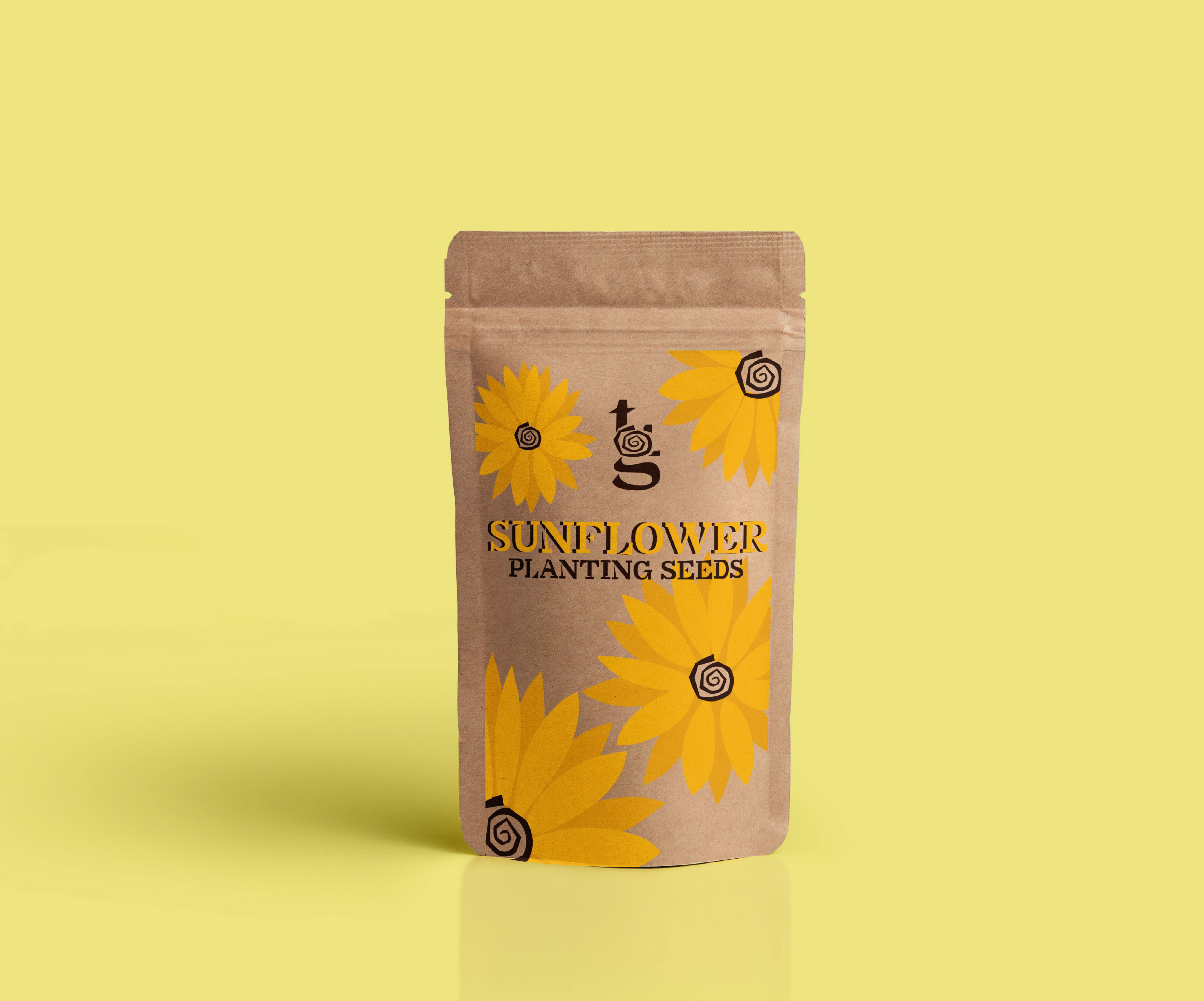
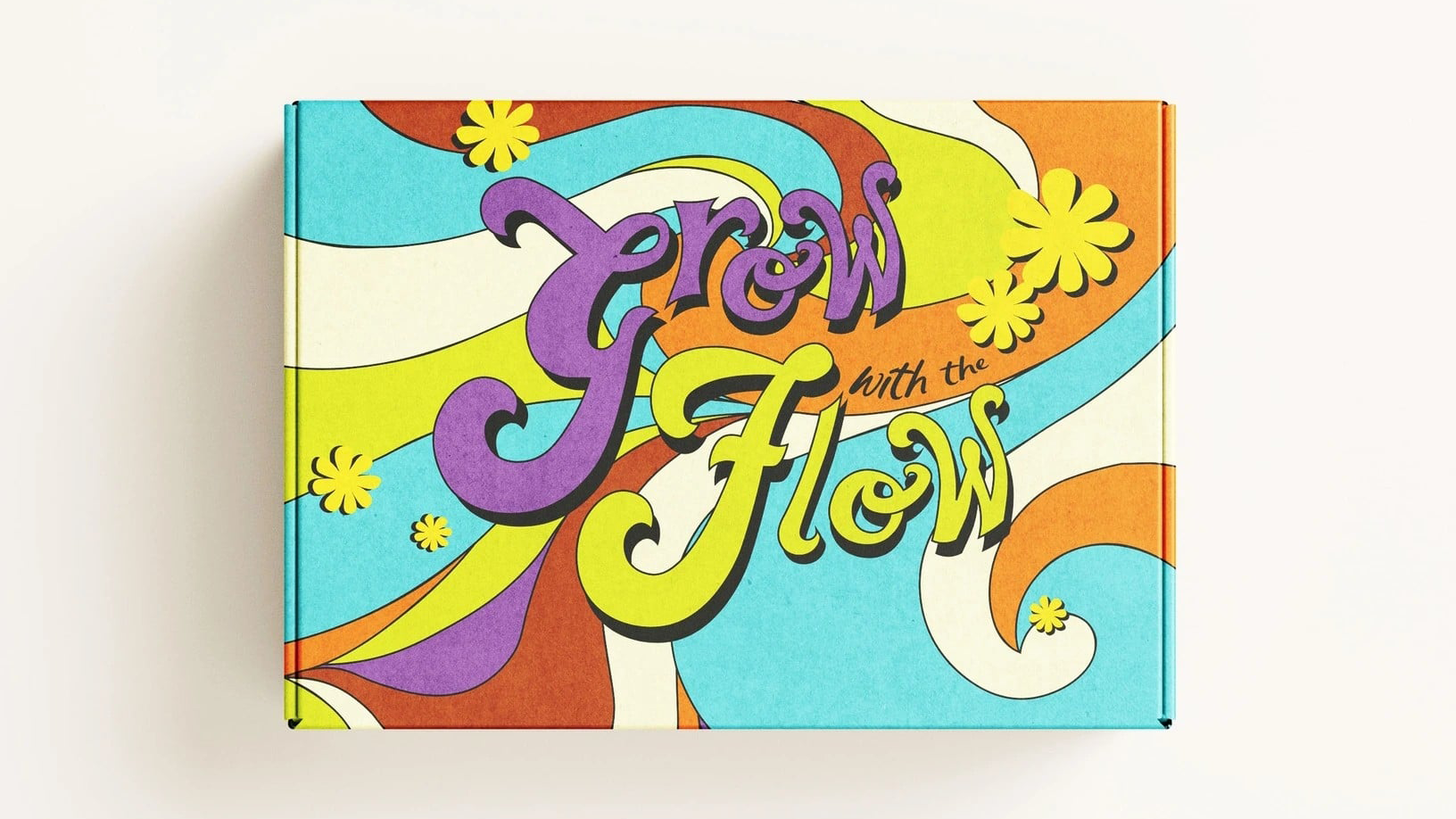
We crafted a variety of kits for children, including gardening kits, to encourage hands-on learning at home and create sustainable practices from an early age.
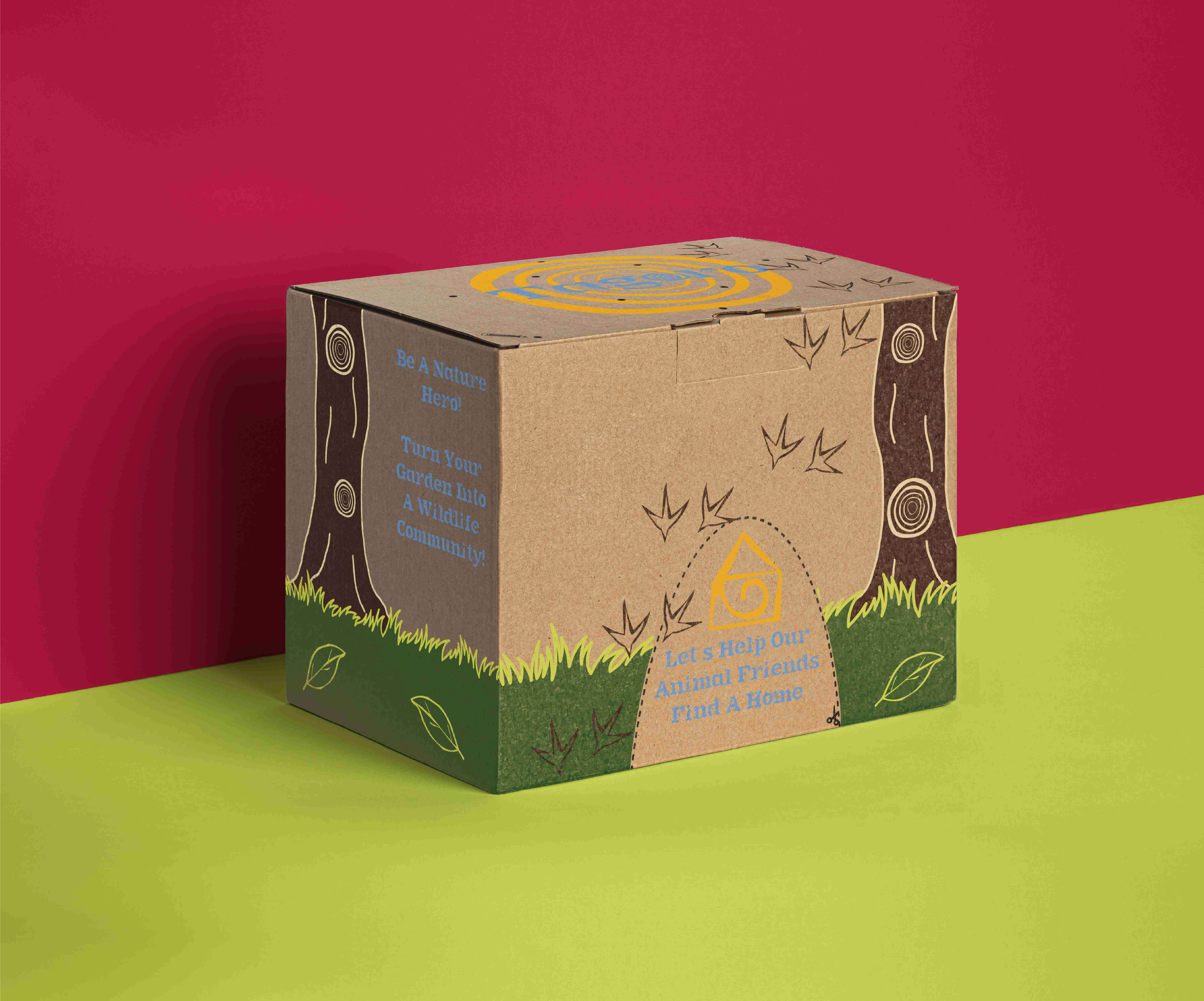
Additionally, we created kits that empower children and parents to build urban habitats for animals, which they can proudly install in their own spaces.
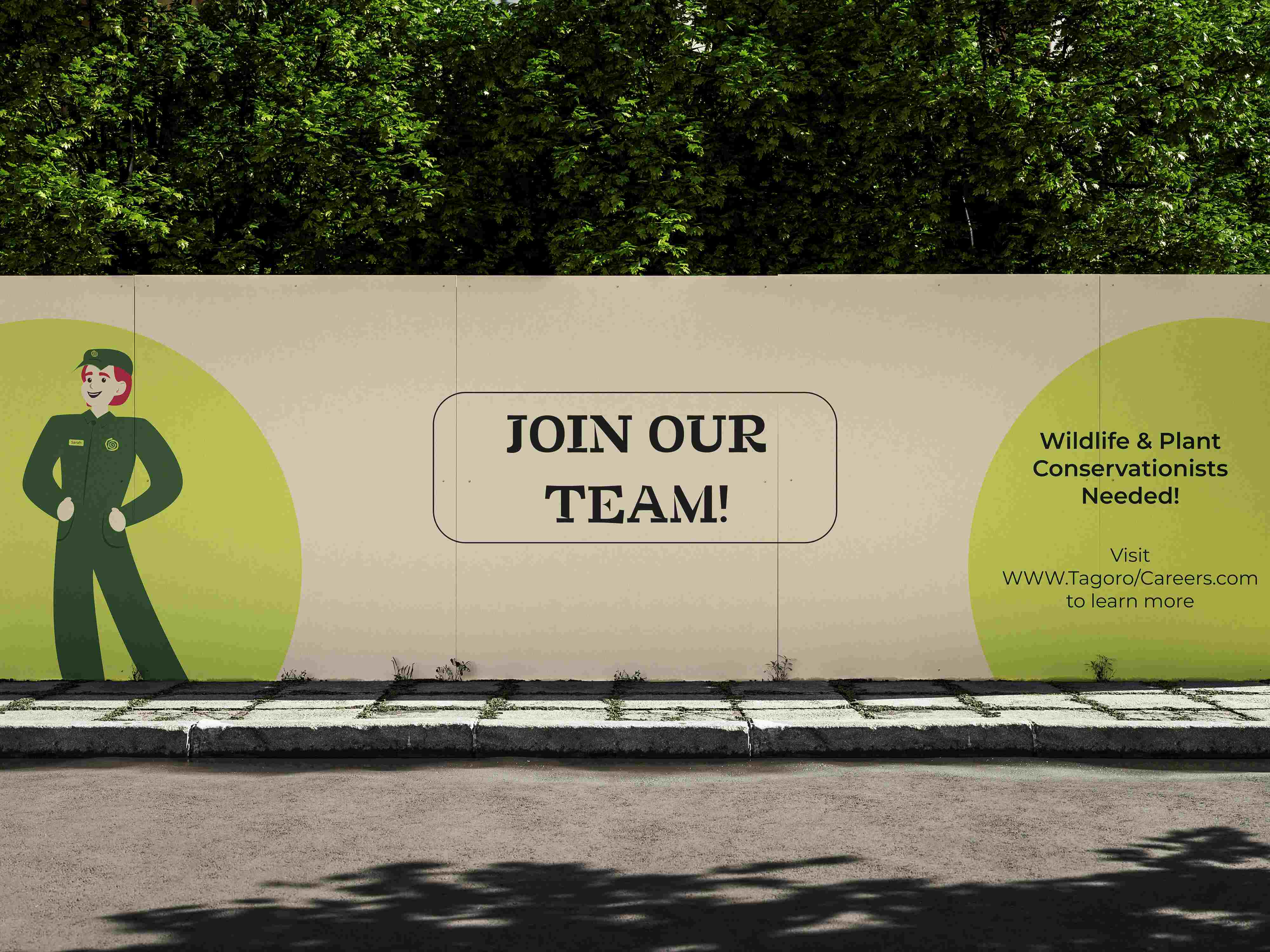
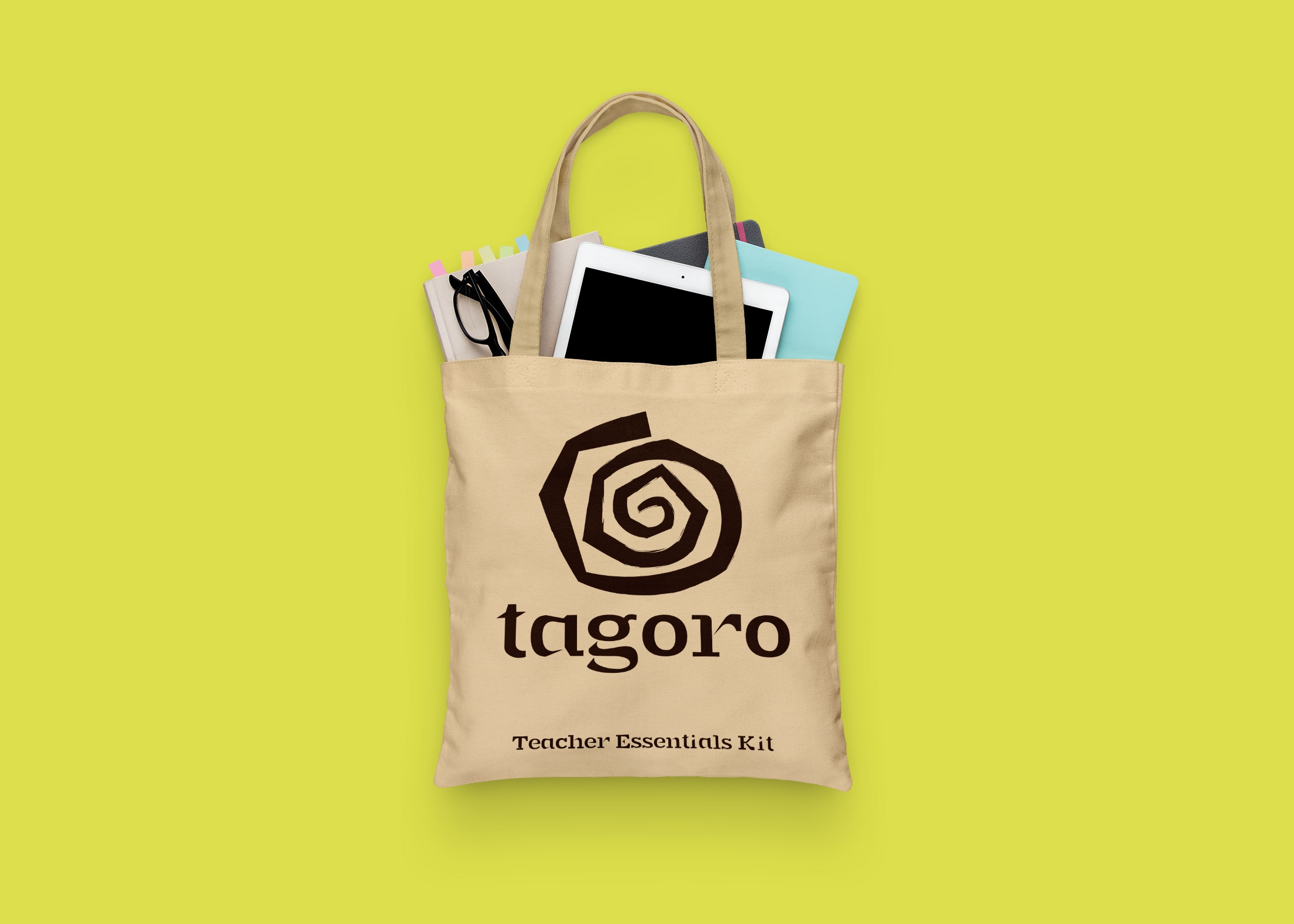
We designed essential kits tailored to each eco-career to inspire people to embrace these roles, begin their Tagoro lifestyle journey, and ensure they’re fully equipped with everything they need to succeed.
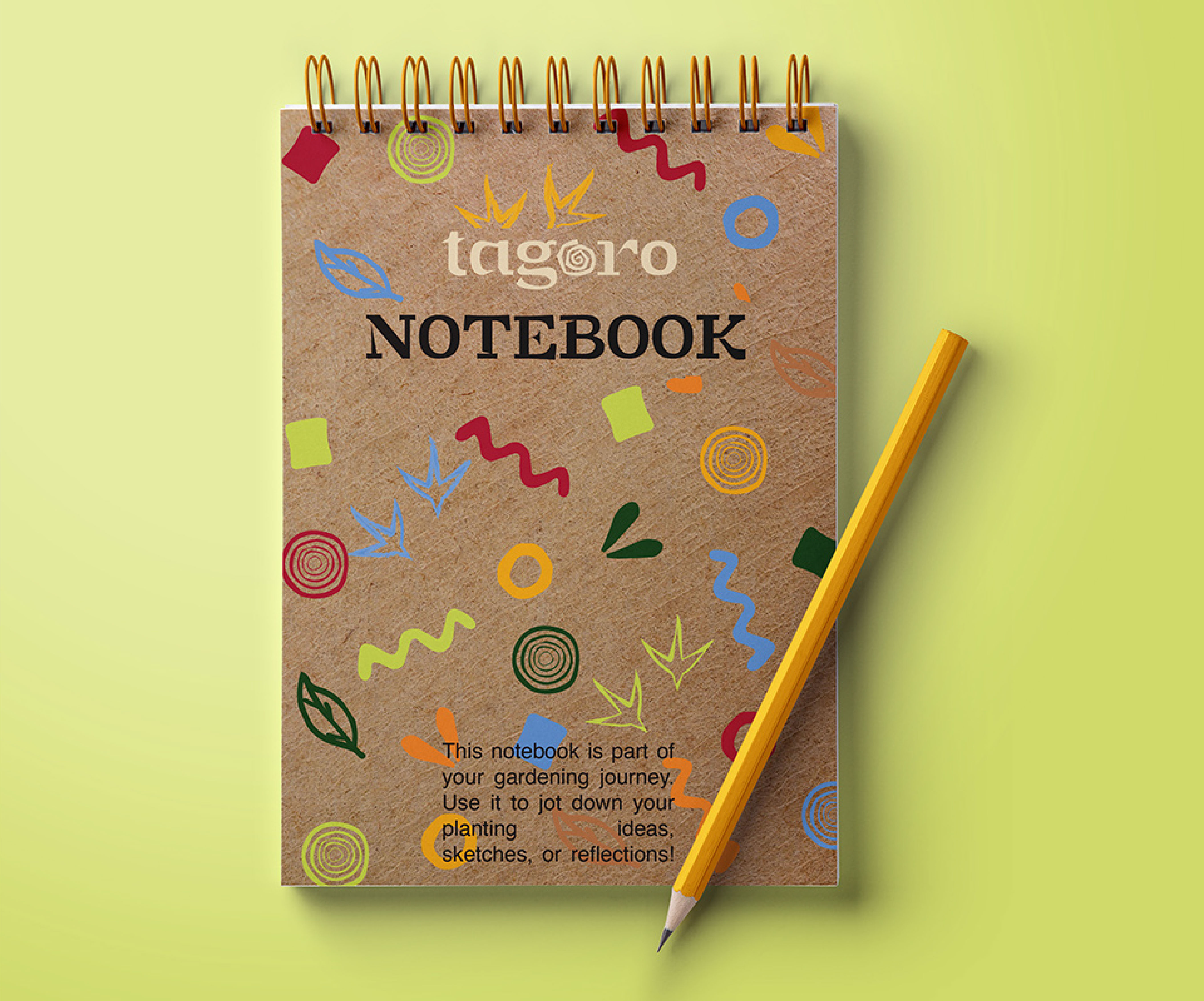
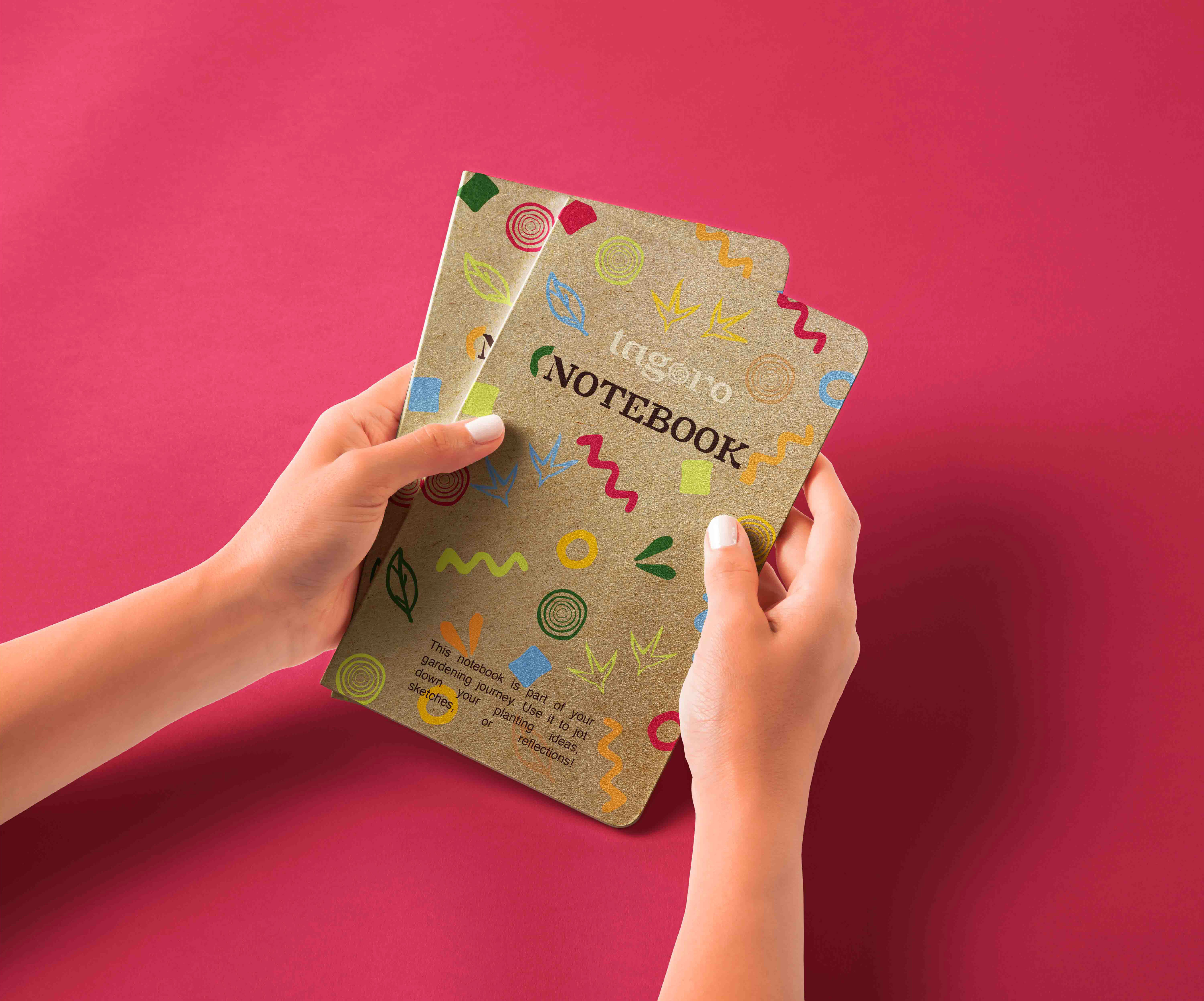
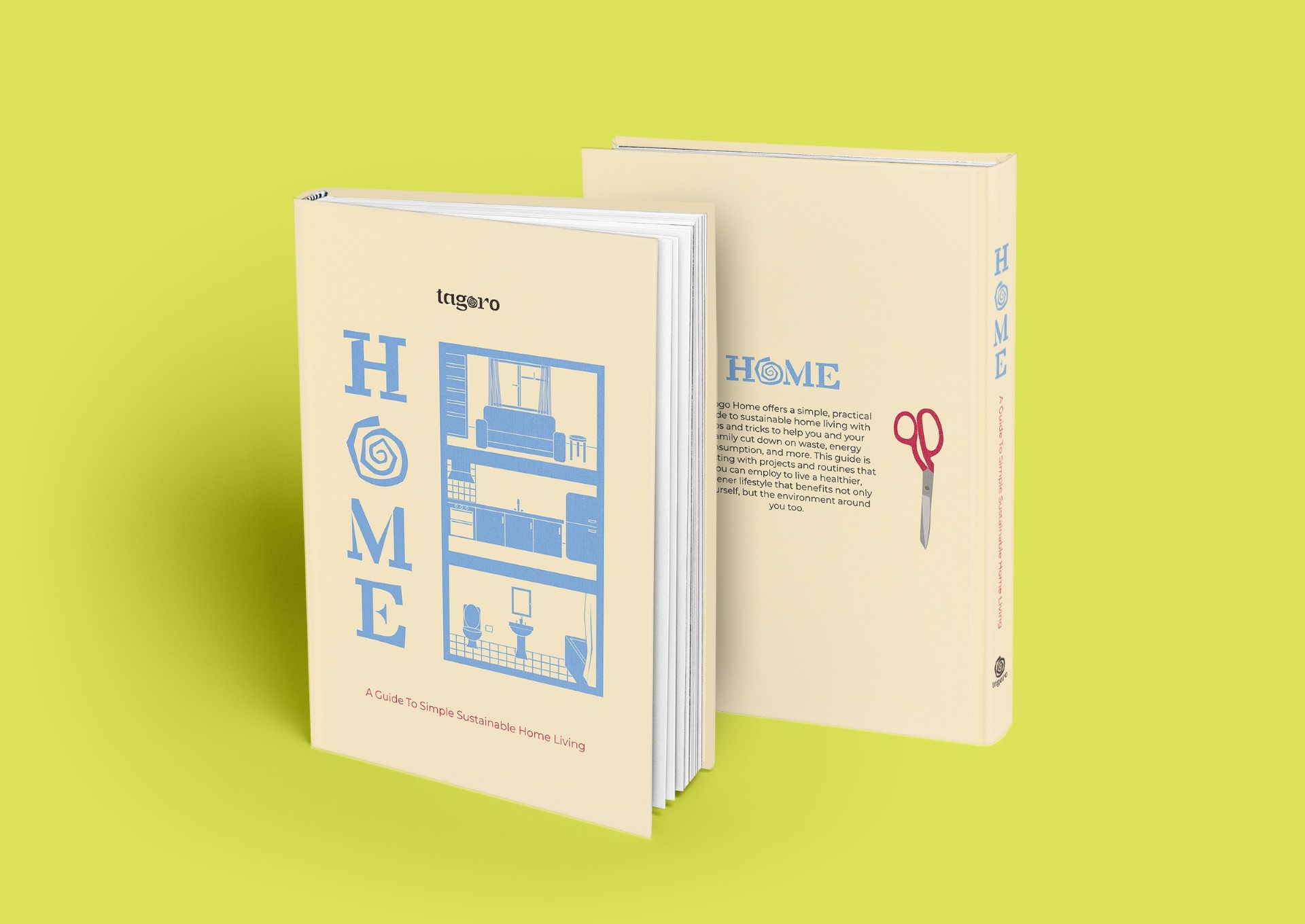
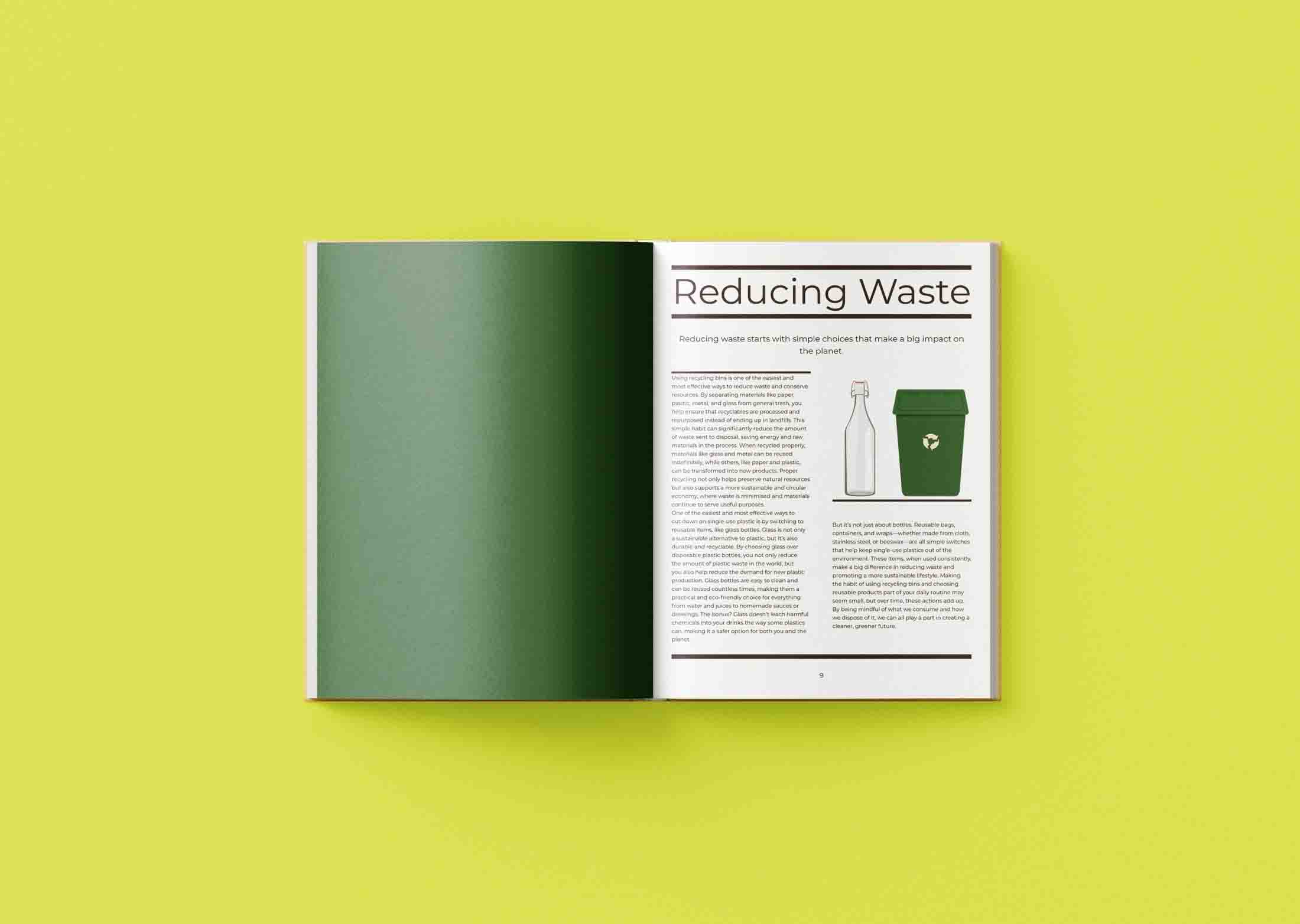
We also created lifestyle books to help families start sustainable practices at home.
Tagoros Eco-living Workshops teach participants how to incorporate sustainable practices into their homes, and can make use of their essentials kits. Workshops can also be followed online.
Habitat Restoration Workshops involve removing invasive species, planting native flora and setting up wildlife corridors, as well as how to build and install urban habitats.
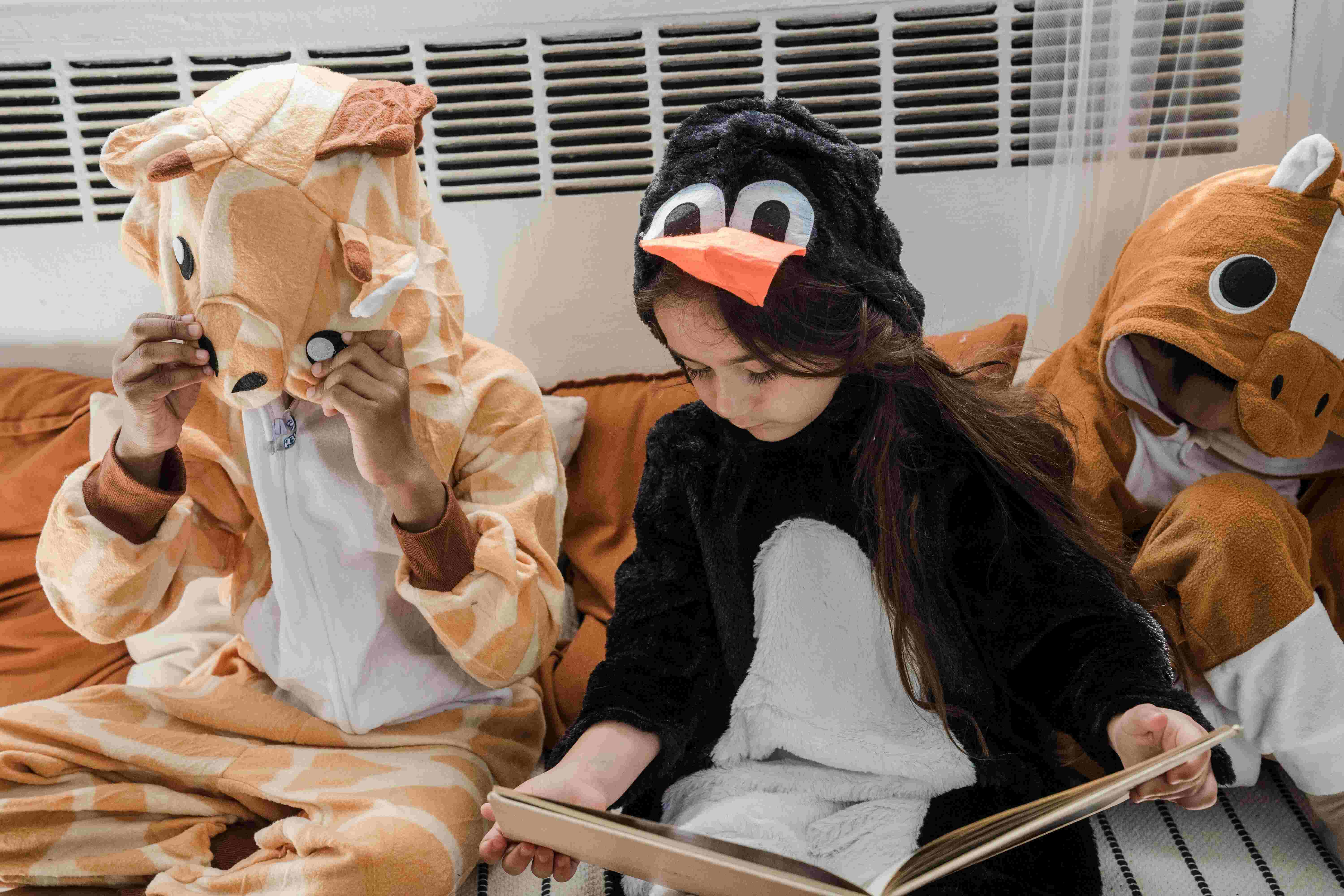
Tagoro hosts immersive workshops, such as the Wild World Workshops, in which children and parents can roleplay as animals through costumes, movement and storytelling.
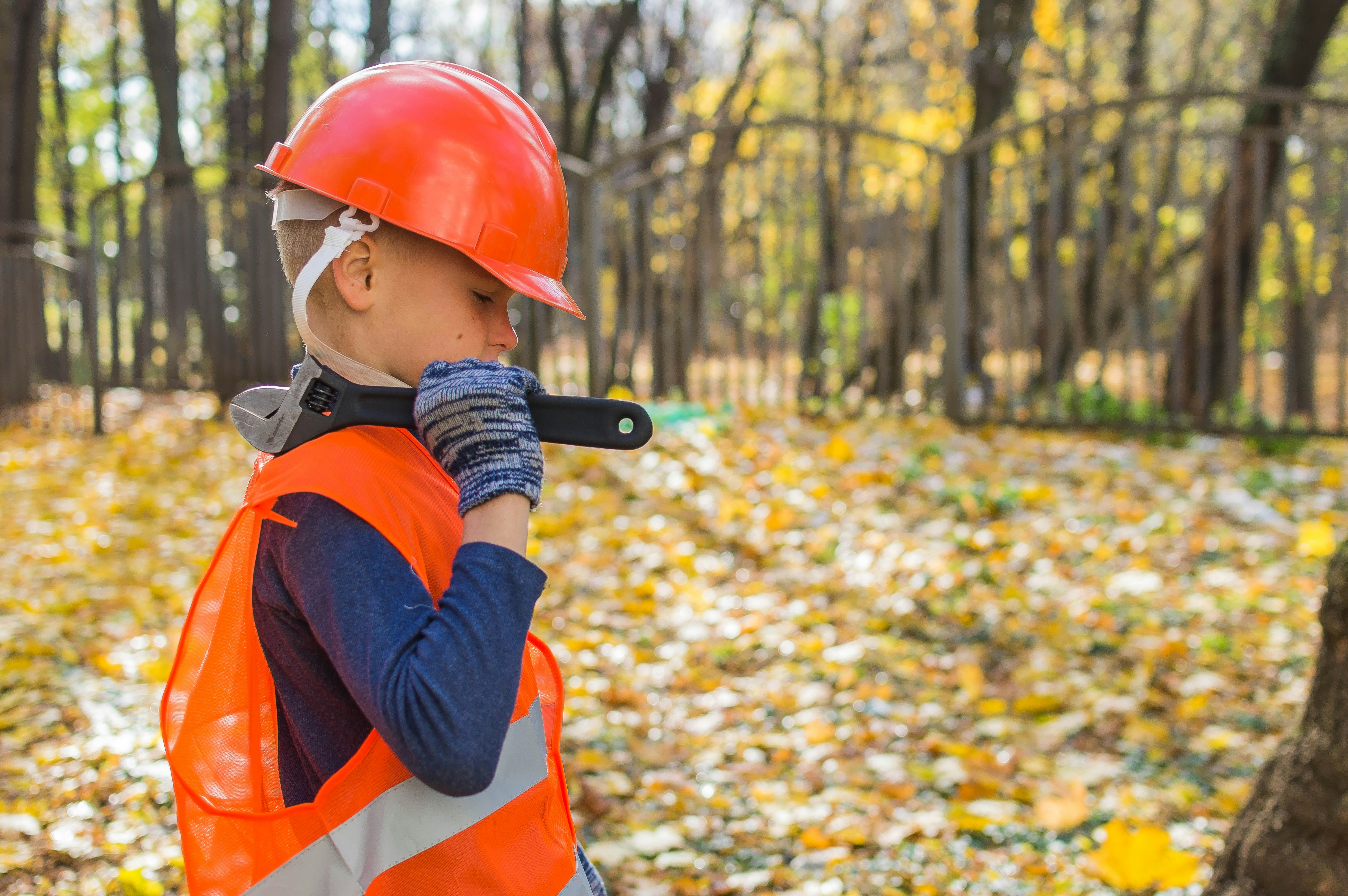
Children and parents can also participate in Eco-Hero Adventures, a workshop which allows them to try out and learn about Tagoros eco-vocations in a fun way.