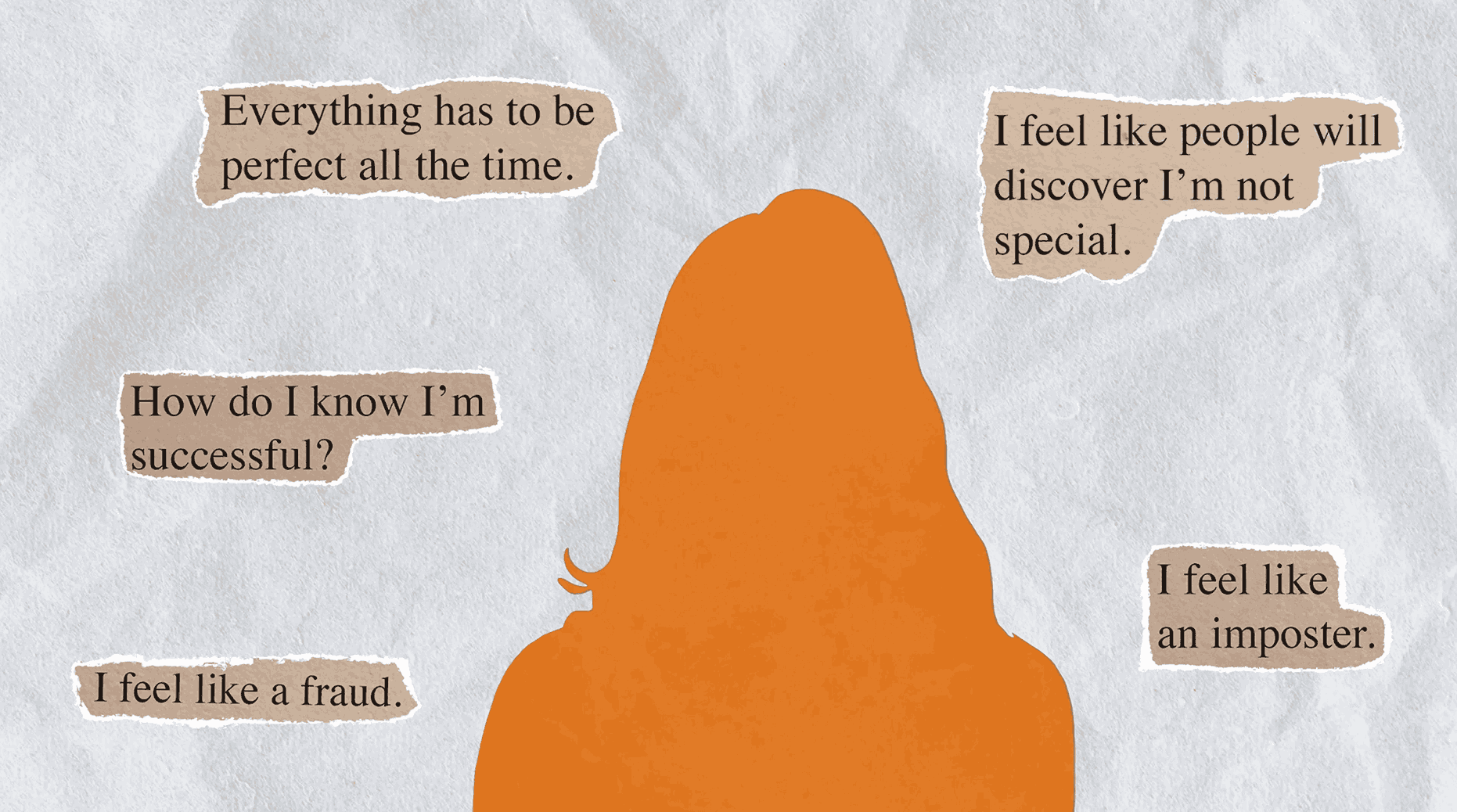
"You Belong" is a short motion sequence created for AUB Student Services aiming to educate and encourage their students to seek help if they or someone they know is struggling with Imposter Syndrome.
This project was a collaborative effort between Chloe Pyart, Millie Yearwood, Gianna González Watterston, and Phoebe Jenkyn.
We were tasked with creating a 45-90 second animation based on a topic from the Creative Conscience themes, we chose mental health. We focused on narrative, sound design, and visual storytelling, while ensuring equal contribution from each team member.

We found that “around 70 to 84% of people will experience some level of imposter syndrome in their life”, with “2 in 5 of these being university students”.
Furthermore, “87% of creative with experience imposter syndrome in their lifetime”.
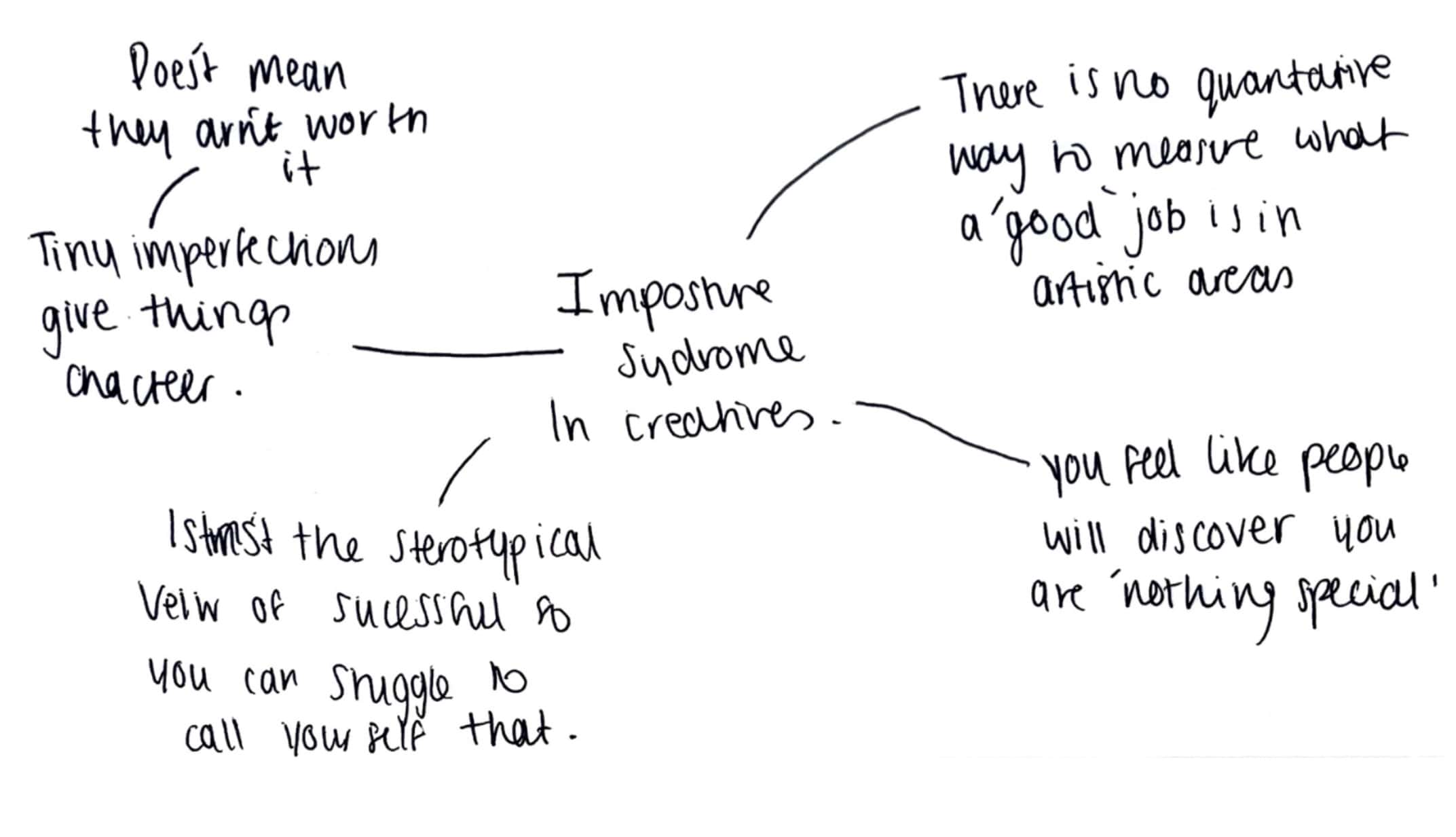
Given the high percentage of young creatives affected by Imposter Syndrome, we identified them as the ideal target audience for our animation, with the goal of offering support.
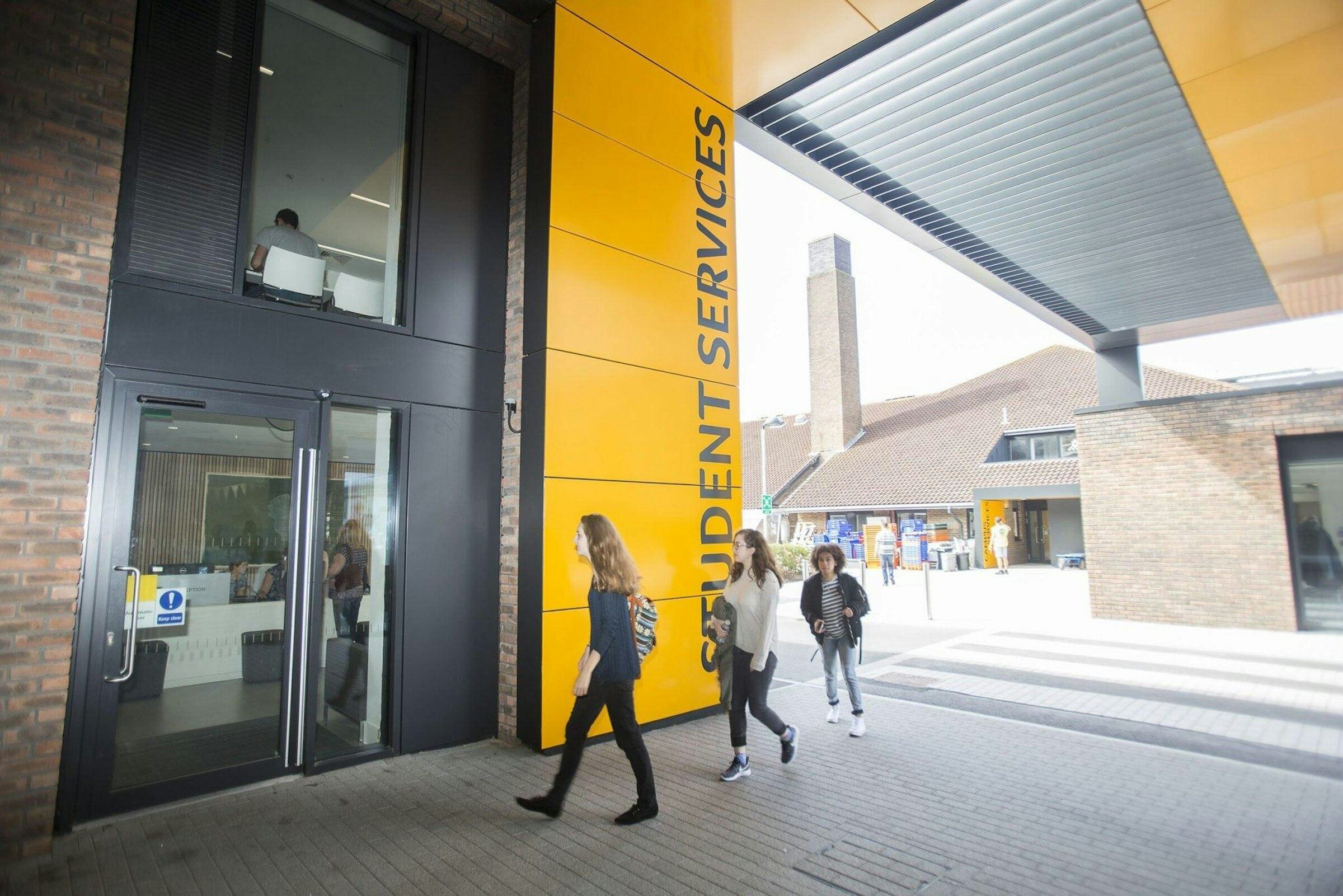
We decided to create the animation for AUB Student Services, where it could be featured on their website and social media platforms.
Our objective was to raise awareness about Imposter Syndrome, reassure students, and empower them to seek help or support others who may be experiencing it.
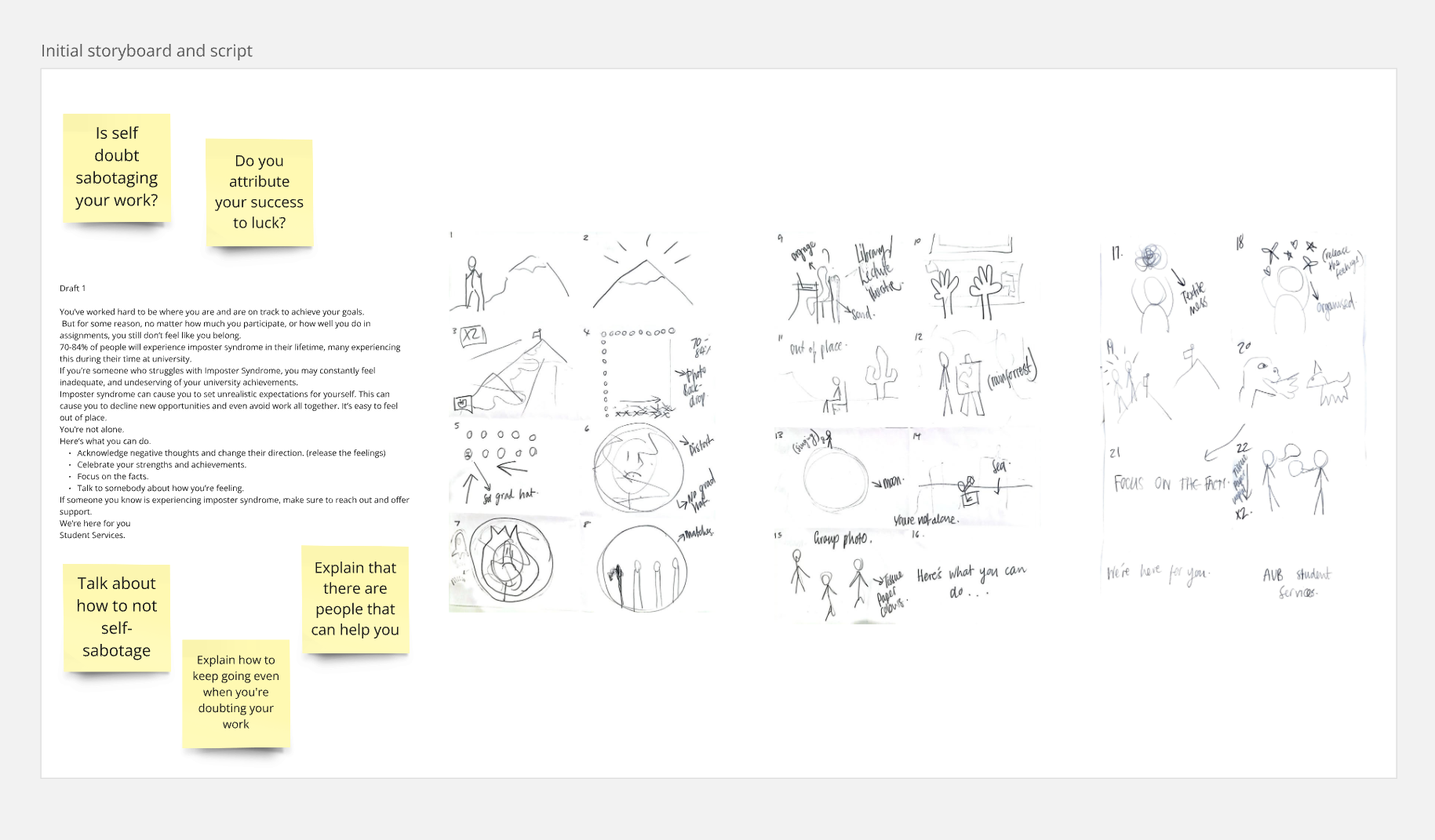
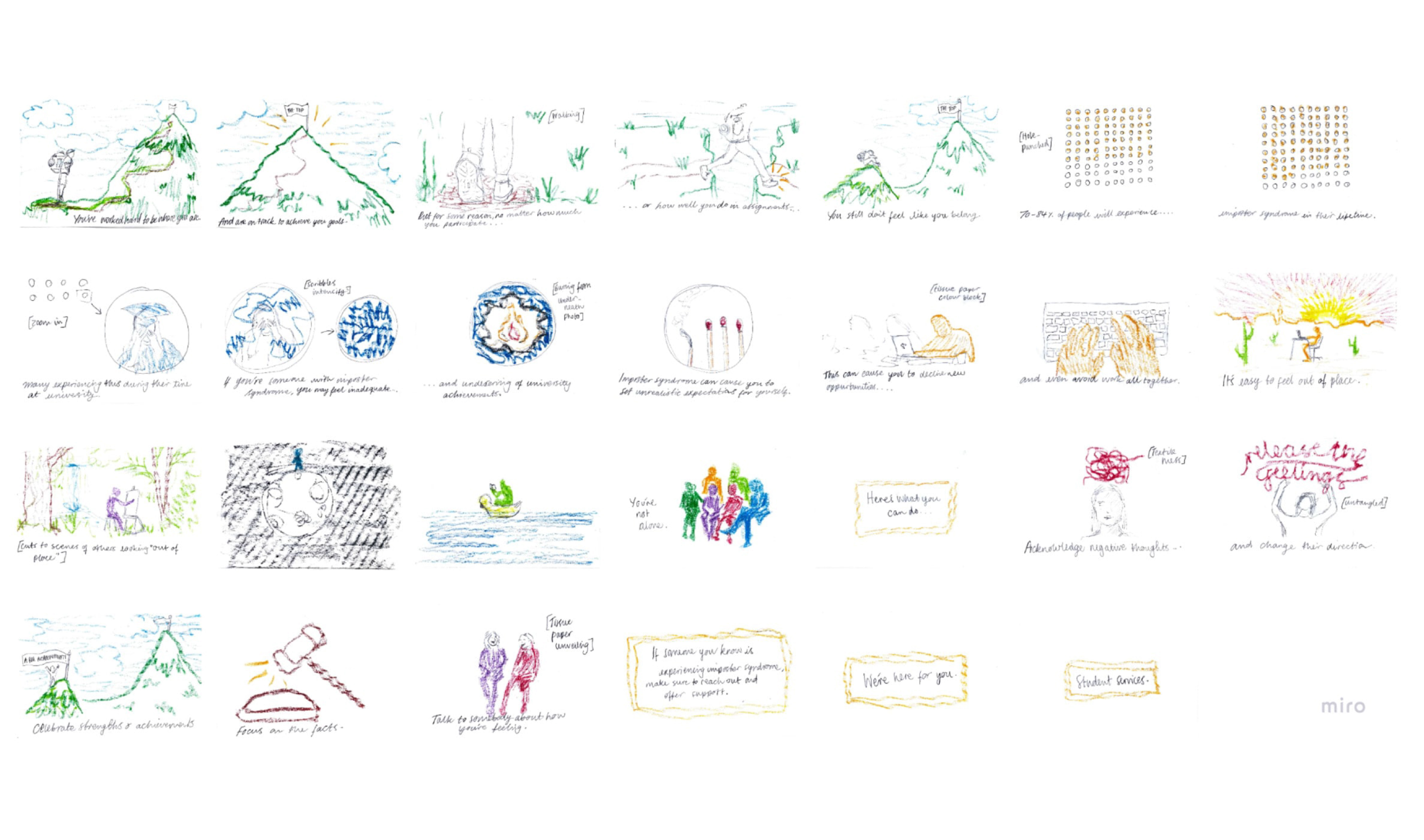
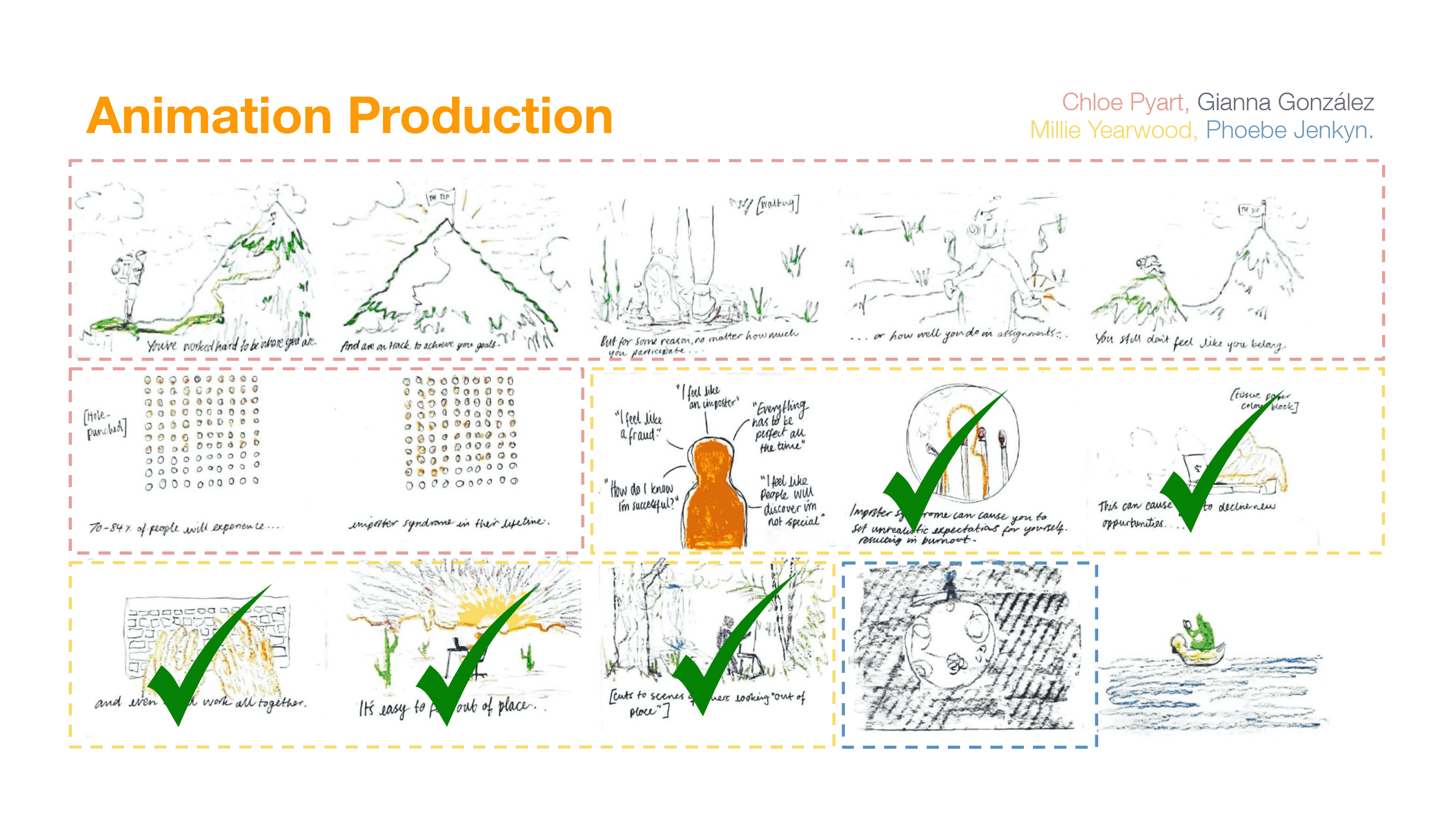
After drawing a rough stroyboard, we each then decided to draw a more thought out versions. We decided that Phoebe’s was the nicest visually, so we created the animatic with it.
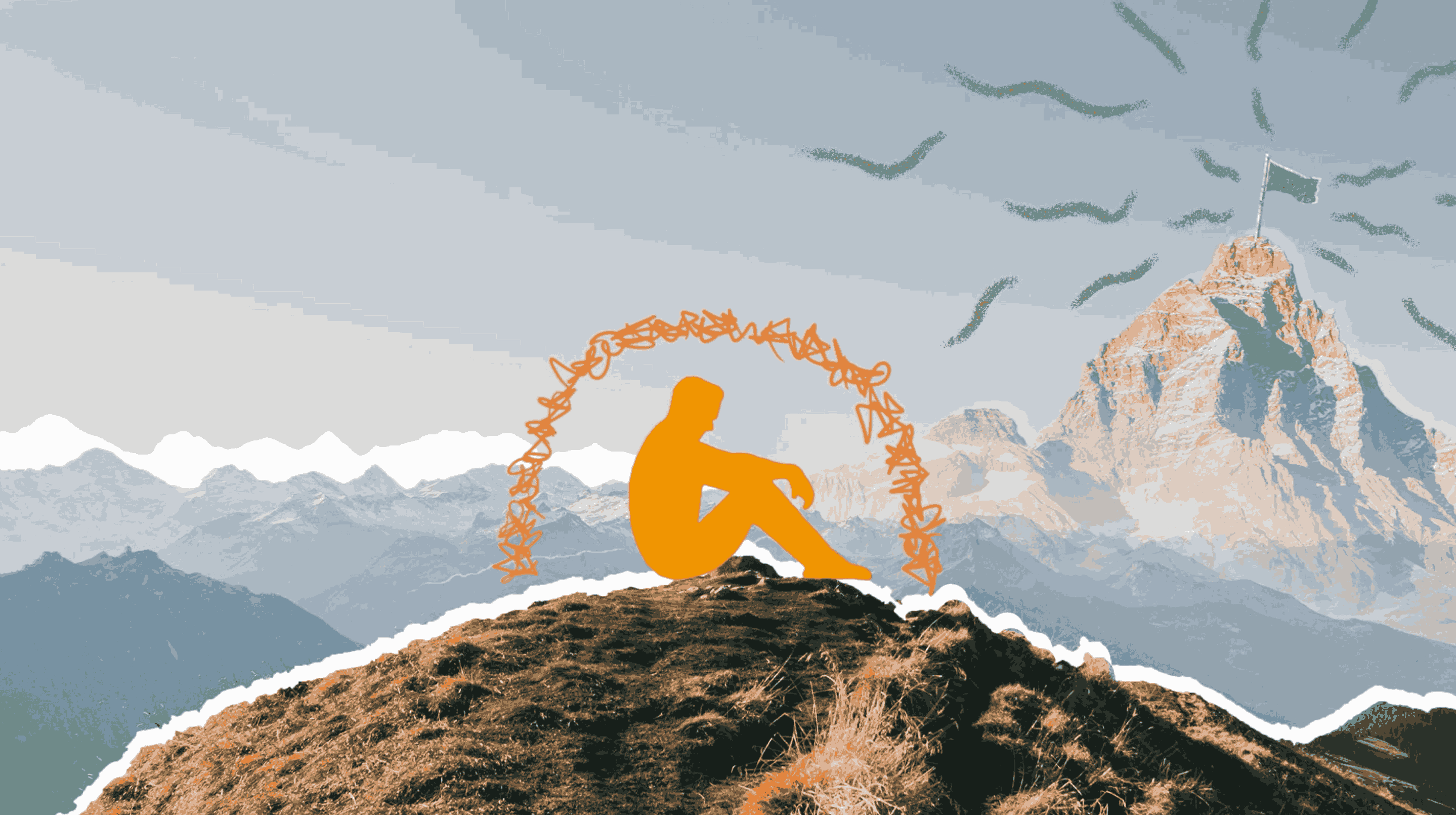
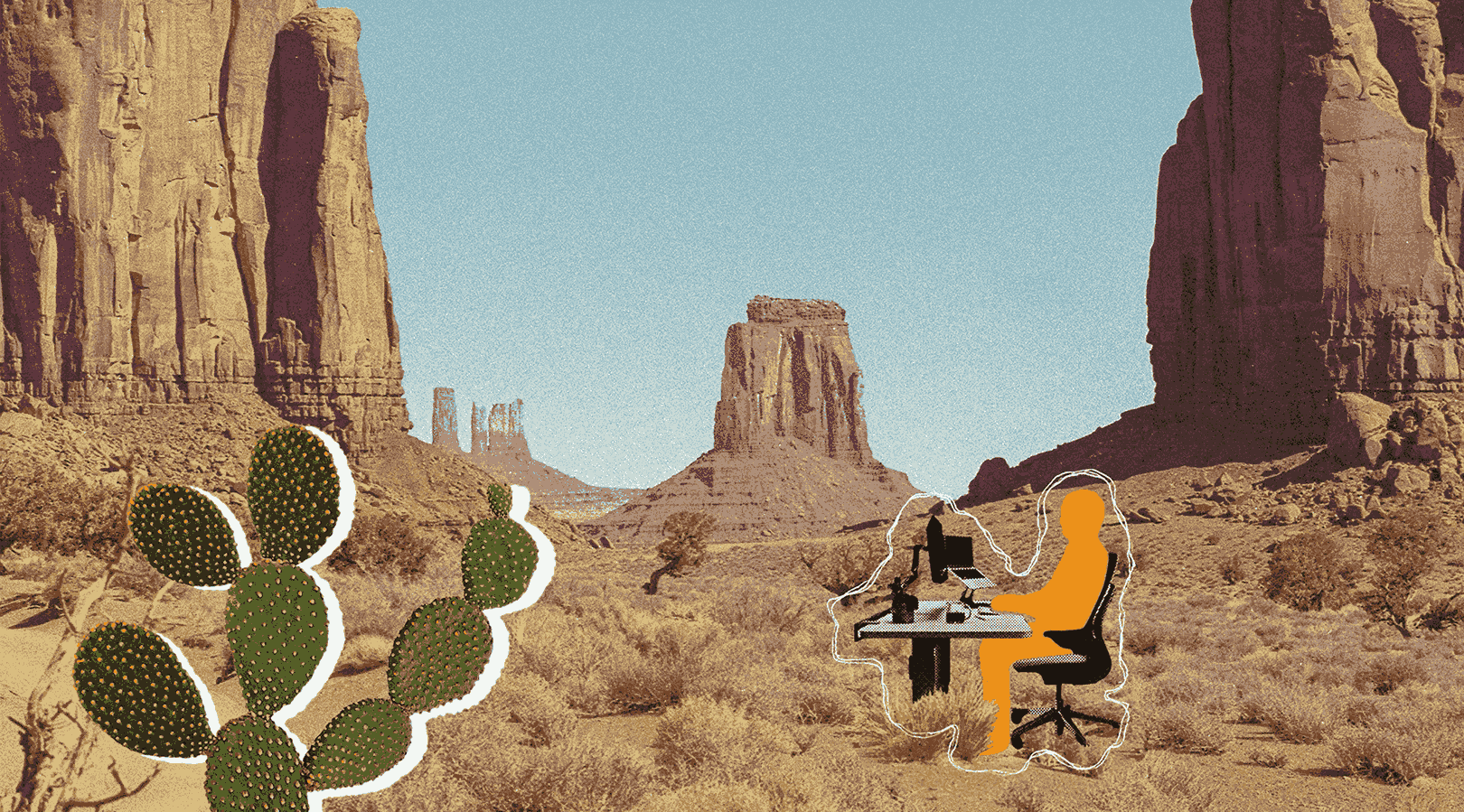
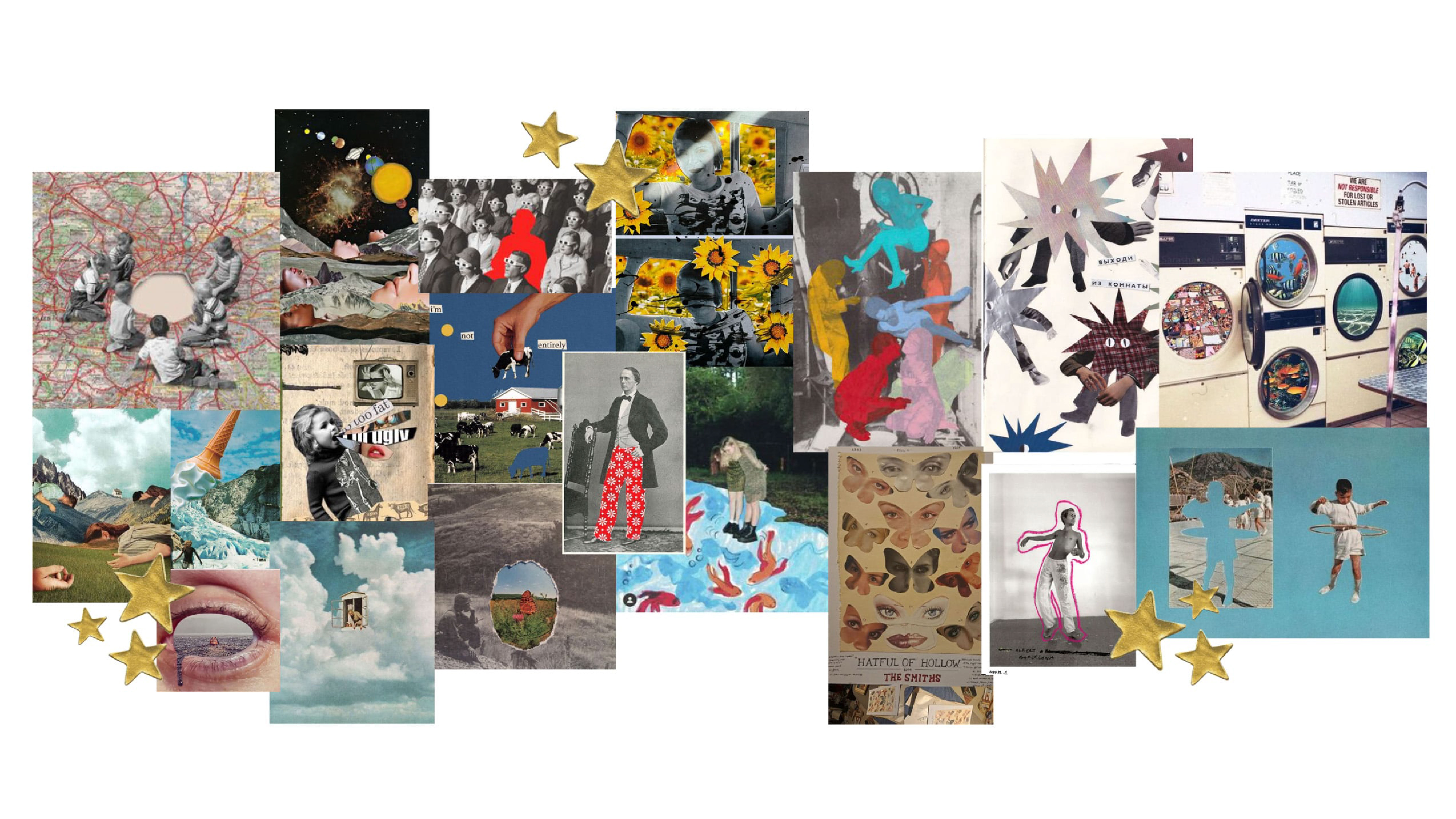
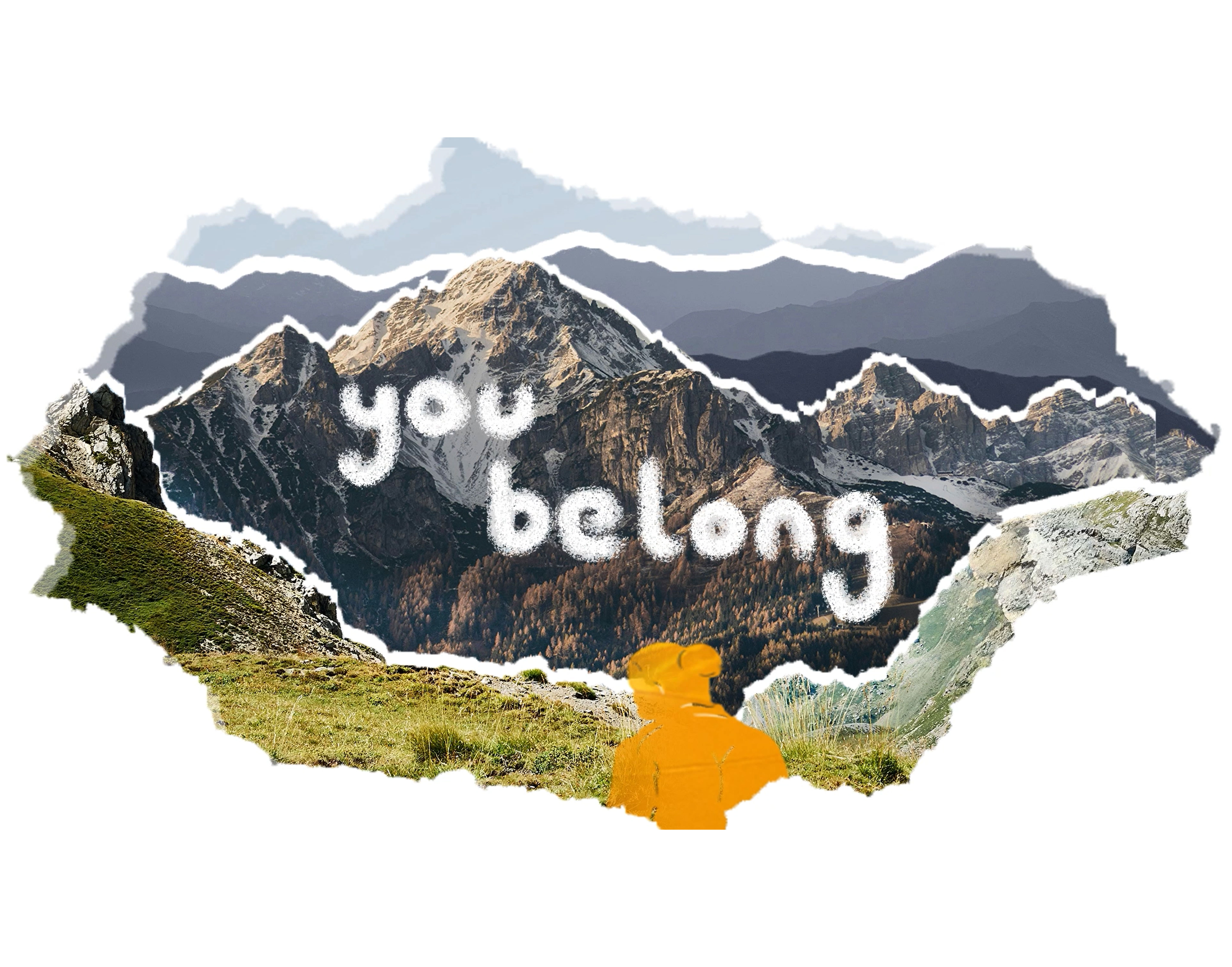
We aimed for a collage-style in the animation to resonate with and appeal to our target audience: art students.
For the main figure, which represents a person with Imposter Syndrome, we chose a solid orange color. This decision had two main reasons: we avoided using faces to allow viewers to see themselves in the character, and the color orange symbolizes creativity. We wanted to convey that, despite their struggles, individuals are unique, creative, and deserving of their place.

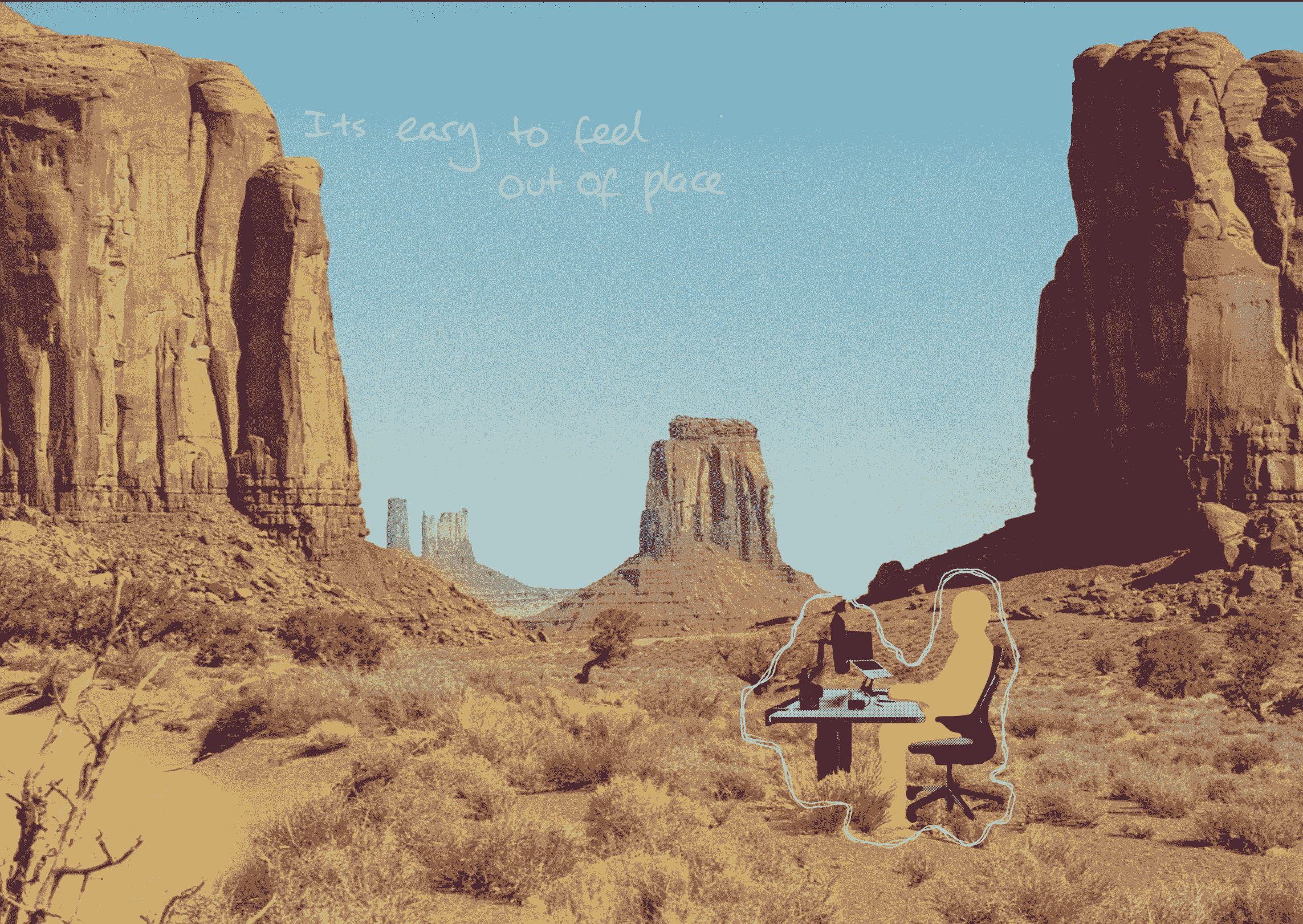
Before we began animating the final piece, we conducted some animation tests, which were successful and gave us the confidence to move forward with the full animation.
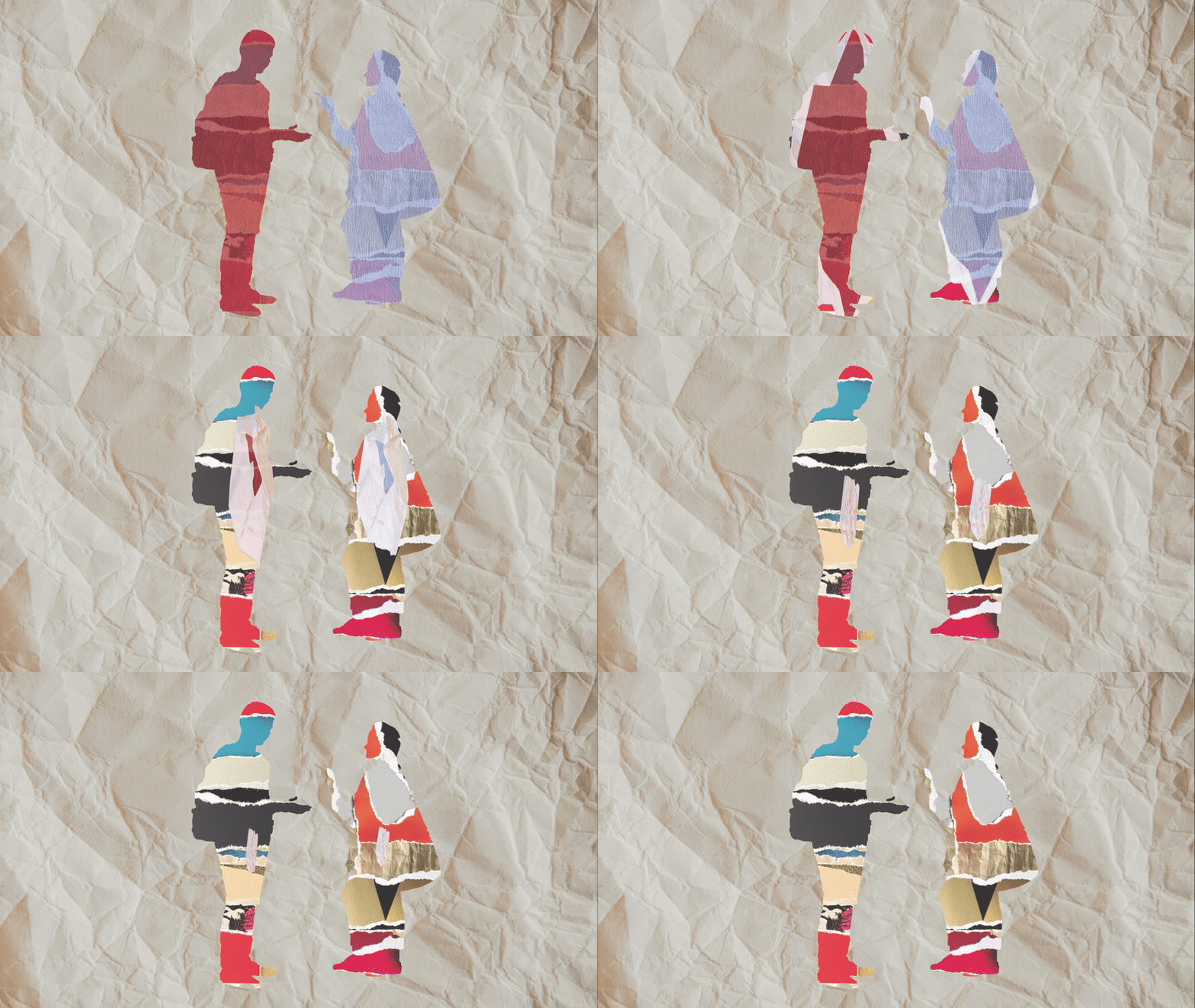
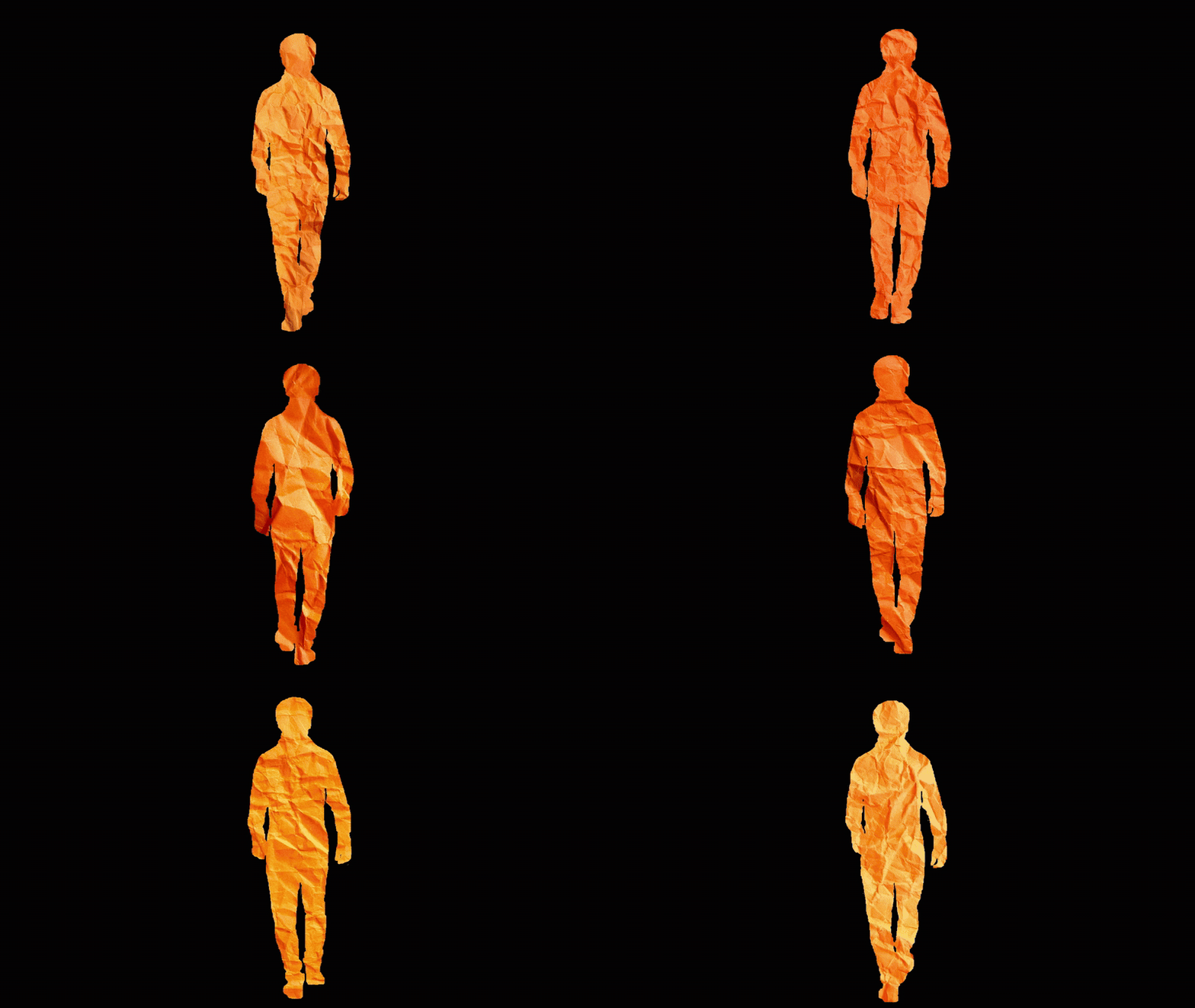
We aimed to distribute the work evenly, ensuring everyone had an equal number of frames to animate. However, we all supported each other, as we each had expertise in different areas.
My portion of the animation ended up being around 20 seconds (my main part being from second 00:50 to 01:06), but I also made notable contributions to the voiceover and final frames.
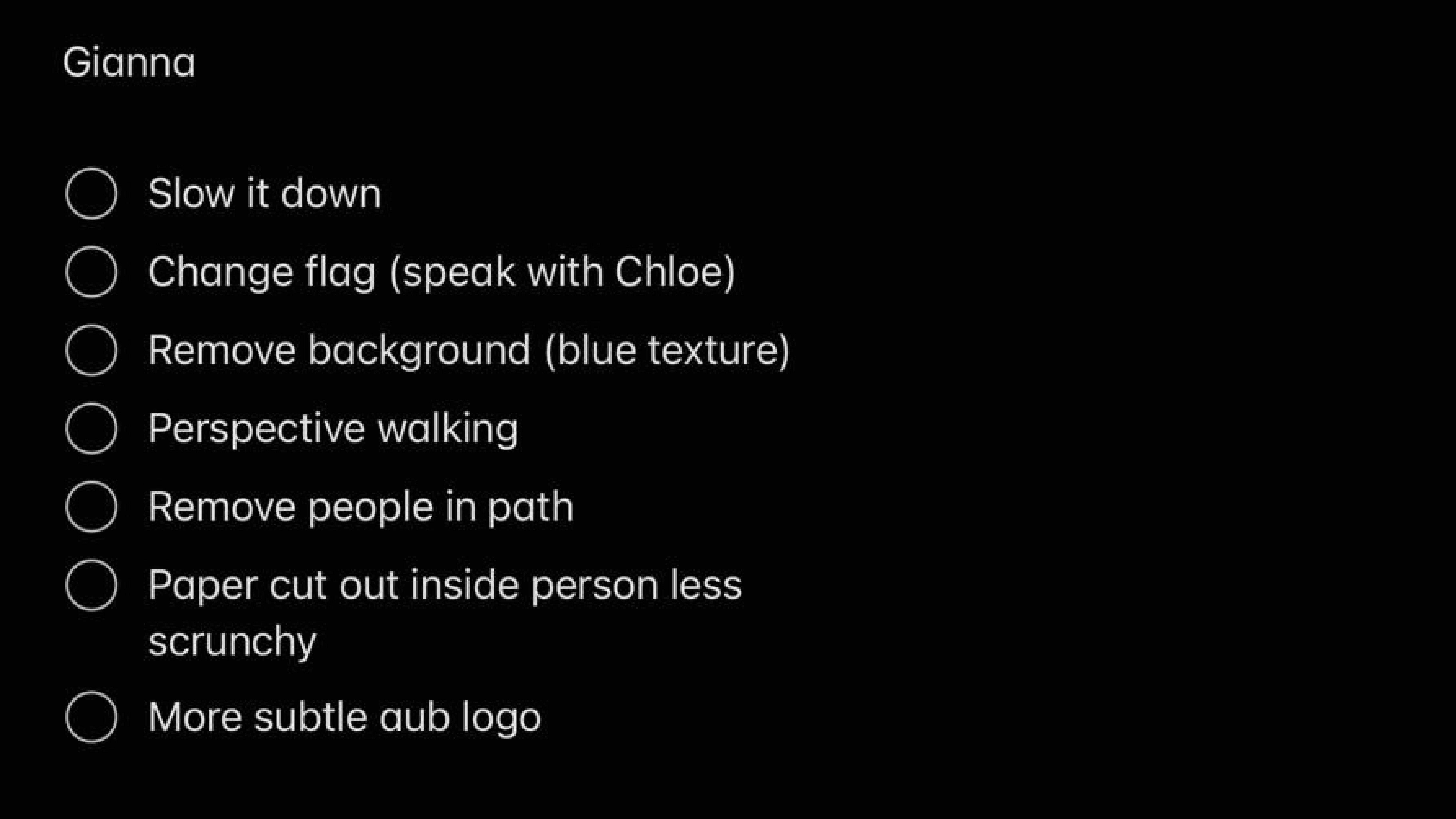
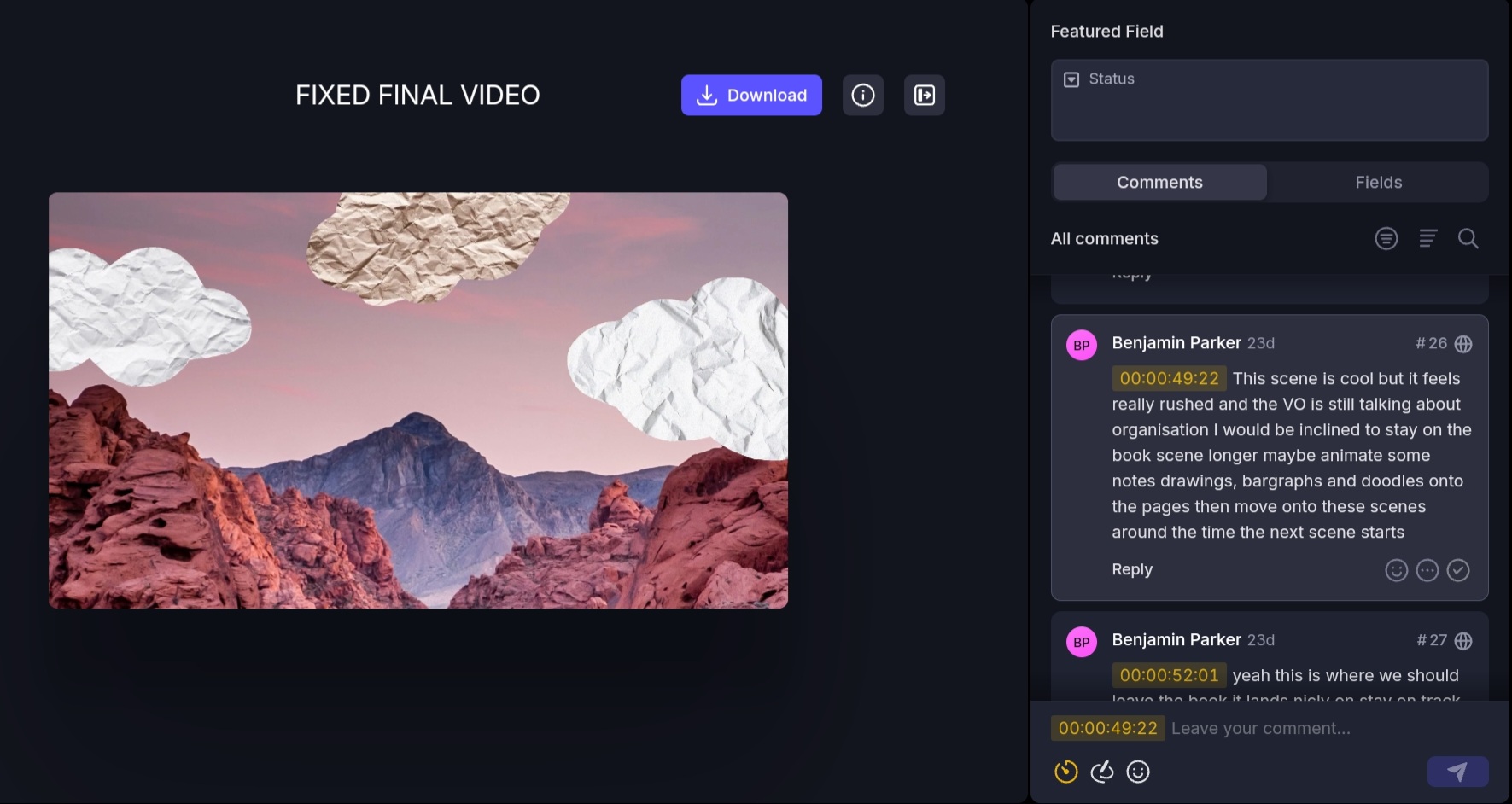
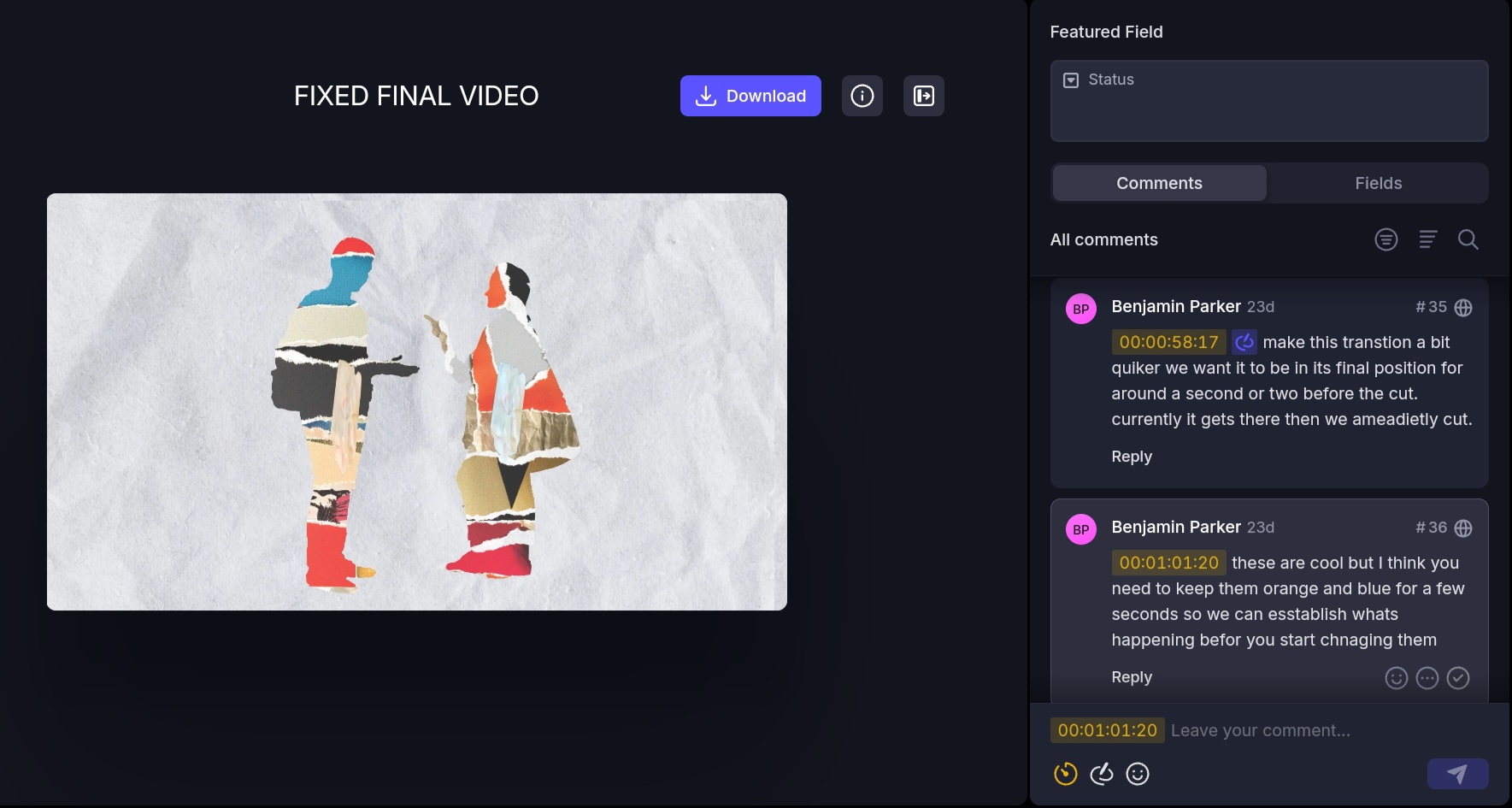
After our first two crits with Alice and Mark, and our online Crit with Tim Varlow, our main feedback was to assess and refine the script, and work on pacing.
After the final critique, we also sent our animation to Ben for his feedback and any suggestions he might have.
His input was incredibly valuable and helped us make small changes that had a significant impact on the final animation.
Many of his suggestions focused on pacing and audio, so we each made adjustments to our respective sections.
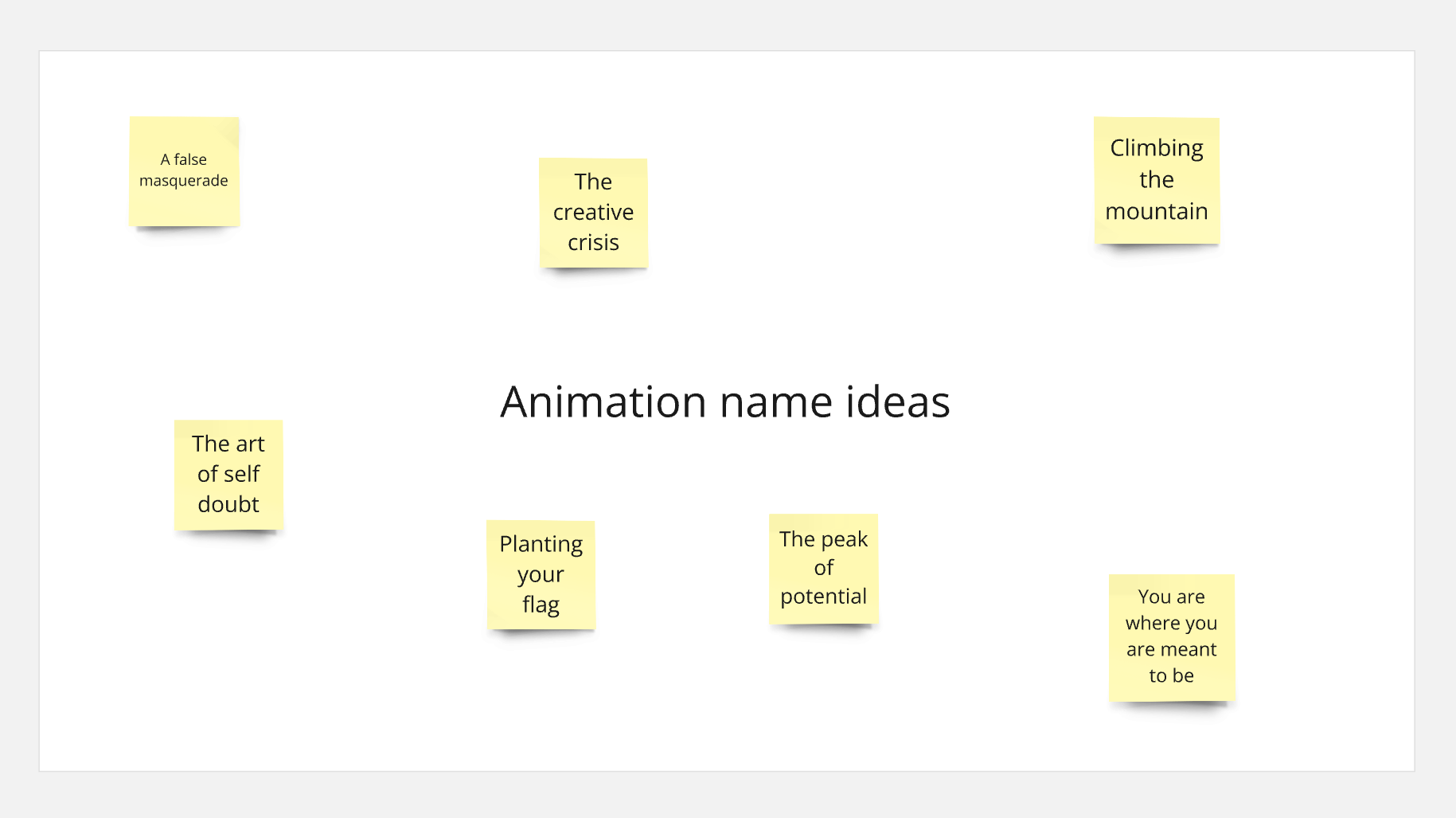
We explored several name options, aiming for something that would resonate with our target audience, align with our project's theme, and convey a sense of positivity.
We chose "You Belong", a powerful affirmation for those who struggle with Imposter Syndrome, reflecting the supportive and encouraging tone of the animation.
"You Belong" is an animation designed to educate and encourage university students to seek help if they or someone they know is struggling with Imposter Syndrome. Targeting young creatives, we aimed to provide support in a way that resonates with them.
Using a collage-style animation, we reflected the artistic environment of an art university, making it engaging for AUB students. Created for AUB Student Services, the animation is featured on their website and social media platforms to raise awareness, reassure students, and empower them to seek help or support others.
Alongside our group motion sequence, I decided to do some additional work on the animation to develop my skills in areas that I didnt work on as much such as editing clips and audio.
I added in some of the sound effects that Ben suggested we put in, such as paper scrunching/ripping to add another element to the audio, rather than just have a voice over.
The workshops with Alice and Mark were highly practical, providing us with a solid foundation in animation and its various forms.
The Storyboarding/Flickbook workshop was particularly helpful in teaching us the importance of establishing key frames to visually tell a story before creating the final animation.
We also learned the technique of frame-by-frame animation. It was during this workshop that I discussed rotoscoping with Alice, a technique I later used in my final animation to animate a walking figure.
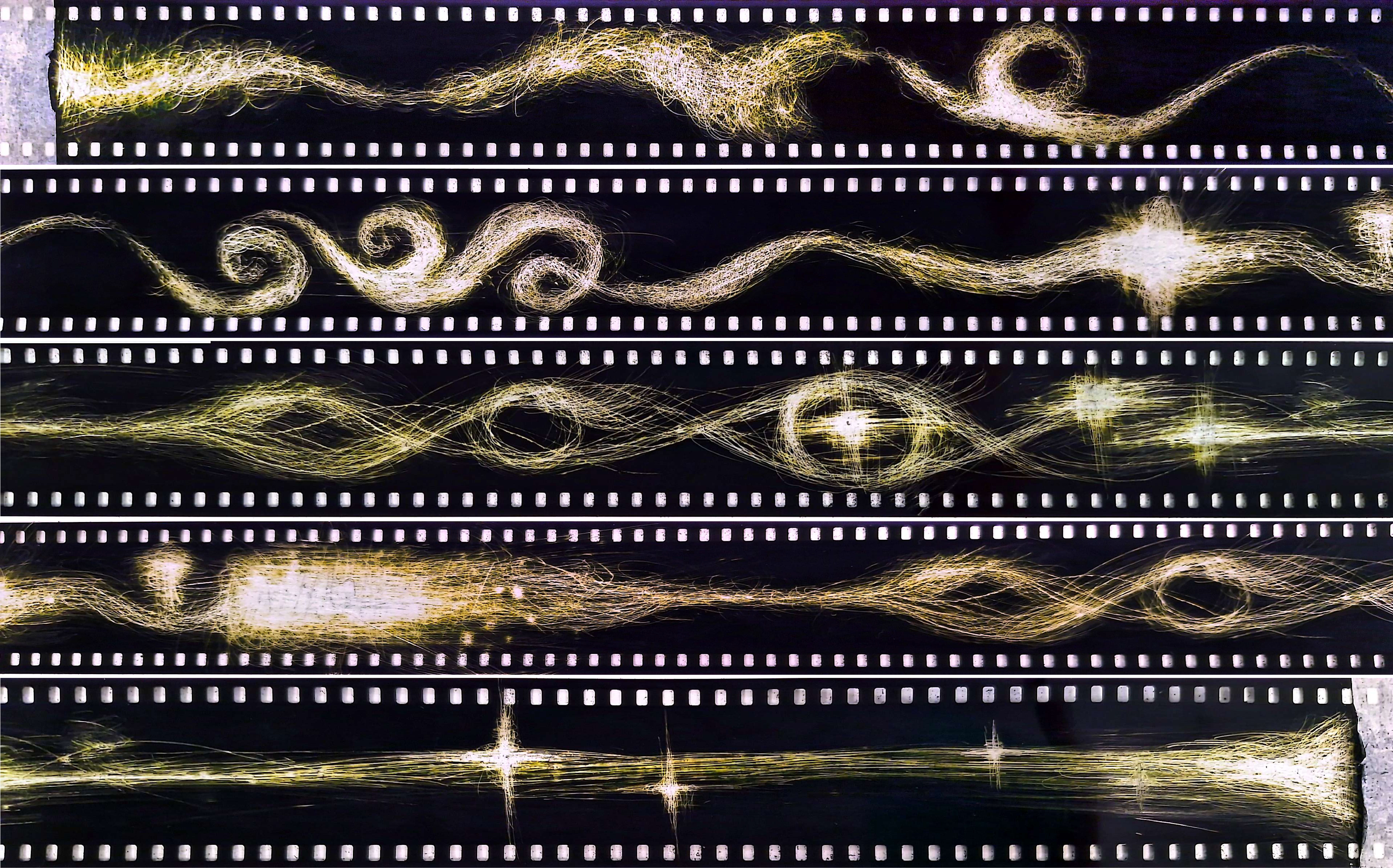
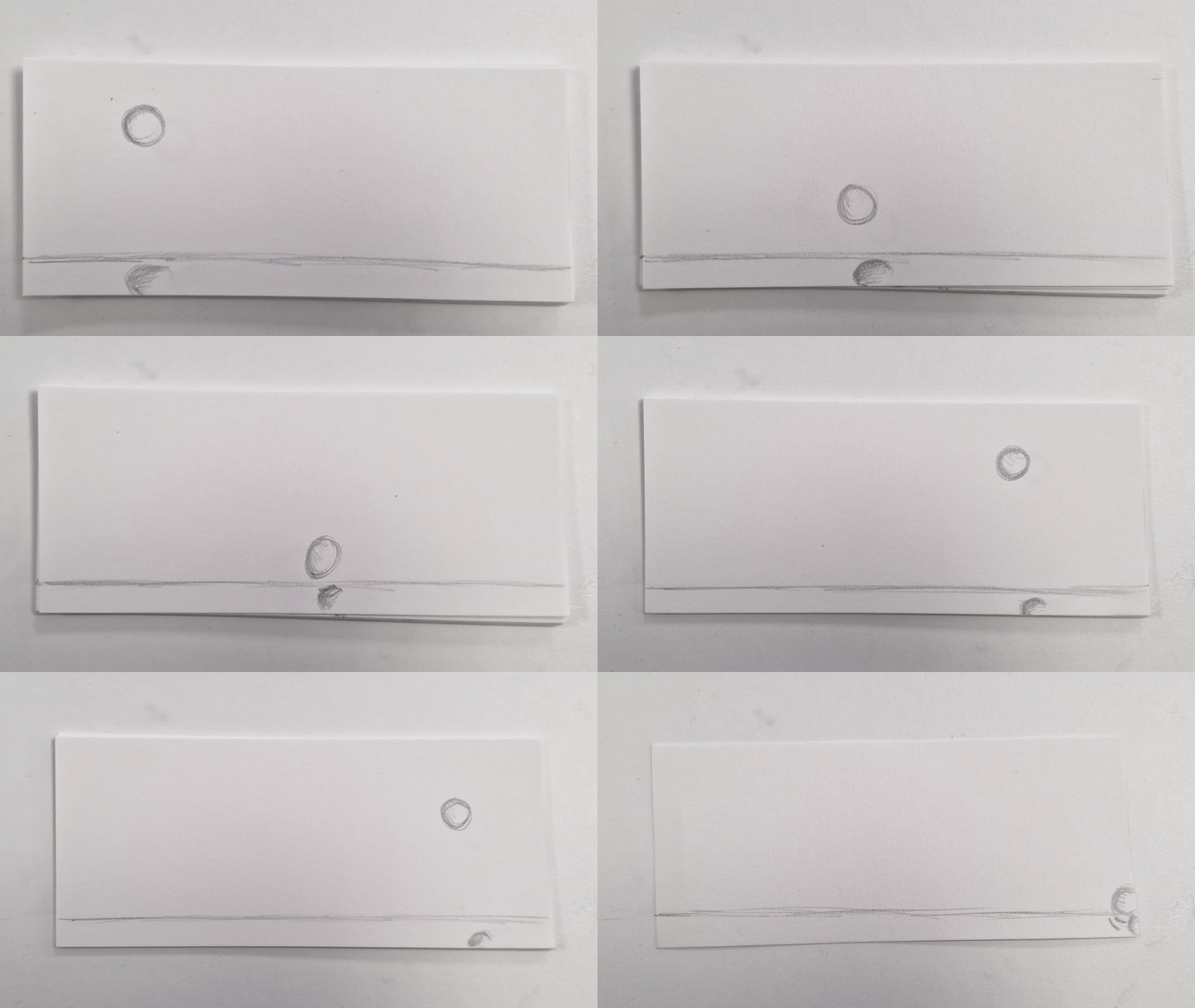
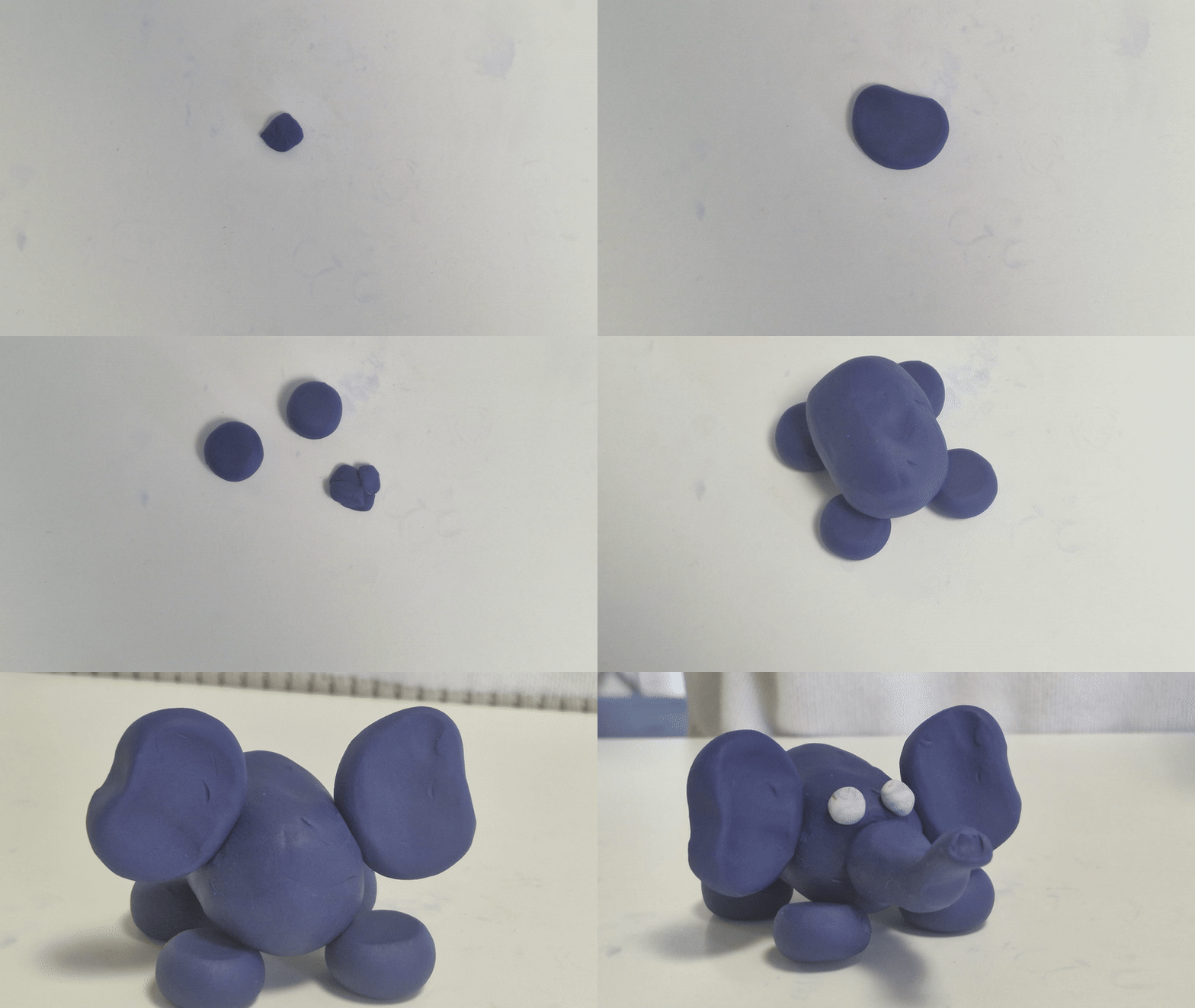
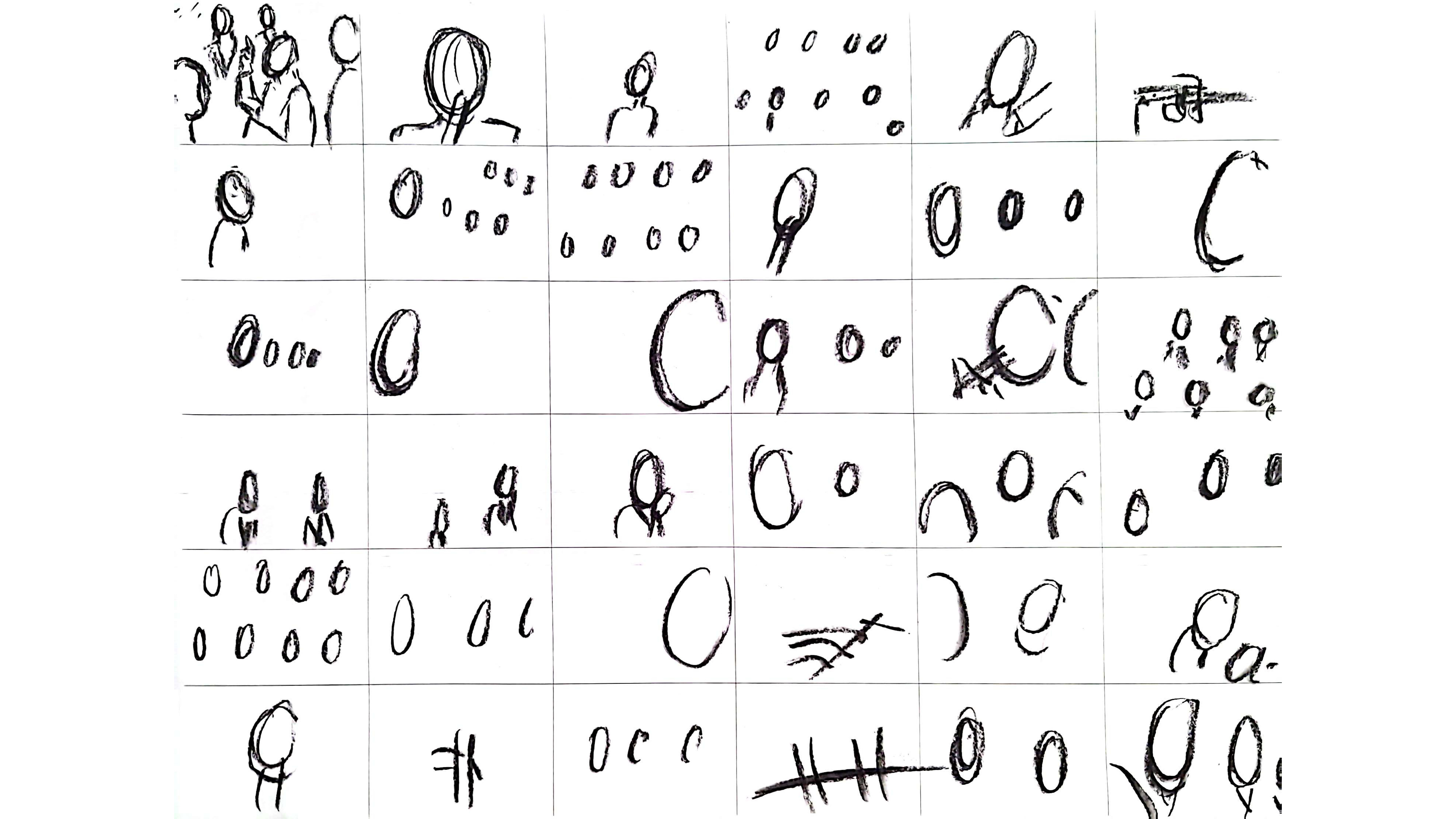
In addition, the workshops with Ben and Alex, along with Mark and Chris Courage, emphasised the significance of editing.
We learned how to effectively cut and arrange clips using Premiere Pro, as well as the importance of audio and how to cut and create sound clips for our projects.
"You Belong" was a learning experience that highlighted the rewards of collaborative work. As a team, we tackled the issue of Imposter Syndrome, our chosen topic from the Creative Conscience themes, with the aim of raising awareness among university students, particularly those in creative fields and those attending Arts University Bournemouth.
One of the most enjoyable aspects of this project was working with such a supportive team. The collaborative environment we created was calm, open, and encouraging, allowing us to freely express our ideas and opinions. Phoebe took the lead in key moments and came up with creative ideas, Millie was amazing at editing and brainstorming, and Chloe was incredibly reliable, efficiently executing tasks as needed.
Each of us brought unique strengths to the project, whether in animation, sound design, or storytelling. While we aimed to divide the workload evenly, we also stepped in to support each other when needed, which made the process both efficient and rewarding. This flexibility showed me the importance of adaptability and collaboration in creative projects, ultimately strengthening both our work and our teamwork skills.
The workshops played an essential role in developing my technical skills. I gained a deeper understanding of animation principles, particularly in frame-by-frame animation, and learned how sound design can elevate the emotional impact of a project. However, it was the feedback sessions that truly pushed us to refine our animation. Ben's insights on pacing and audio encouraged us to re-evaluate elements we hadn’t initially focused on, and his suggestions led to small but significant improvements in the final product.
Reflecting on this project as a whole, I have realised how important it is to be open to and listen to critique and feedback and how small adjustments can transform the final outcome. Ultimately, this project reinforced the importance of collaboration, planning, and continuous refinement in creating a successful outcome.